

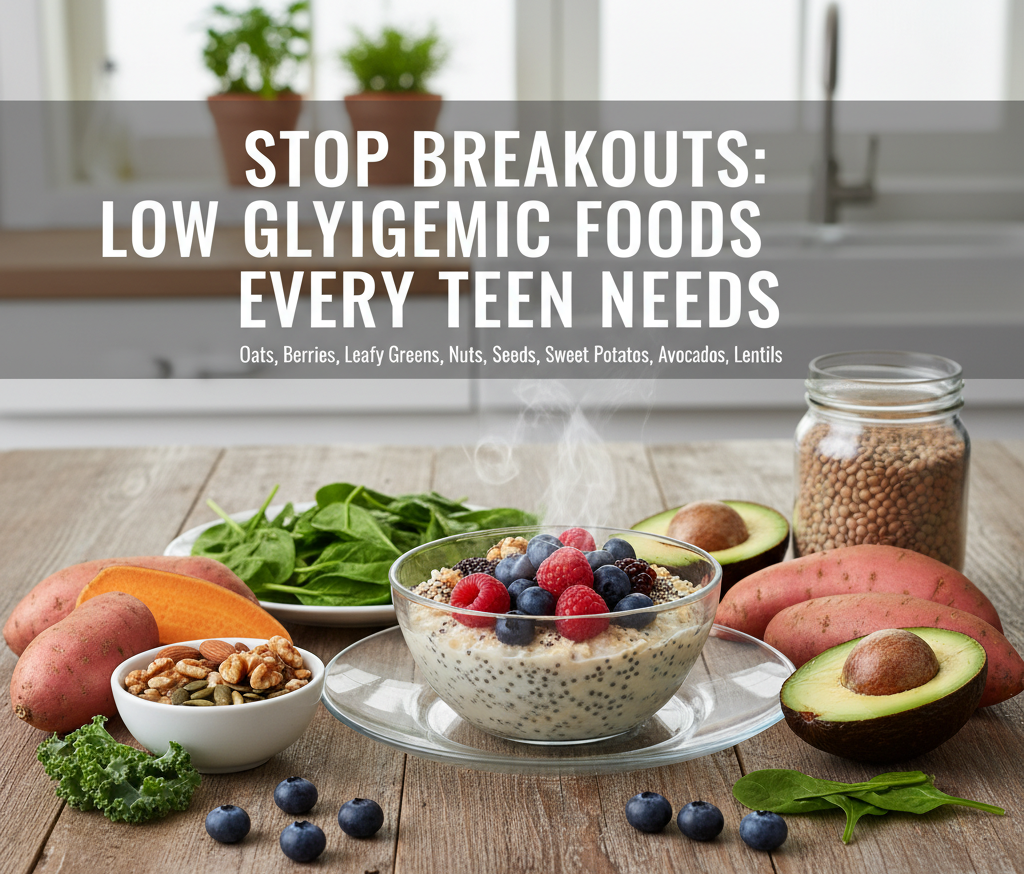
In the tumultuous years of adolescence, skin health often becomes a central concern for many teenagers. Breakouts, commonly known as acne, can affect self-esteem, social interactions, and overall well-being. While numerous factors contribute to acne development—including hormonal fluctuations, genetics, and skincare routines—diet plays a pivotal role that is frequently overlooked. Specifically, adopting a low glycemic diet for teenagers with breakouts has emerged as a scientifically supported strategy to manage and reduce acne severity. This approach focuses on consuming foods that have a minimal impact on blood sugar levels, thereby stabilizing insulin responses and mitigating inflammation that exacerbates skin issues.
As a nutrition expert with years of experience in adolescent health, I have witnessed firsthand how dietary adjustments can transform skin clarity. In this comprehensive guide, we will explore the principles of a low glycemic index (GI) diet, its direct benefits for teens struggling with breakouts, and a curated selection of low glycemic foods tailored to youthful palates and lifestyles. By integrating these foods into daily meals, teenagers can achieve not only clearer skin but also enhanced energy levels, better mood regulation, and long-term metabolic health. This article draws on established research from dermatology and nutrition sciences to provide actionable, evidence-based advice.
Understanding the Glycemic Index and Its Role in Skin Health
The glycemic index is a ranking system that measures how quickly carbohydrate-containing foods raise blood glucose levels after consumption. Foods are scored on a scale from 0 to 100, with pure glucose serving as the benchmark at 100. Low GI foods (scored 55 or below) release sugar gradually into the bloodstream, while high GI foods (70 or above) cause rapid spikes. Medium GI foods fall between 56 and 69.
For teenagers, whose bodies are undergoing rapid growth and hormonal changes, blood sugar fluctuations can trigger a cascade of physiological responses detrimental to skin health. Elevated blood sugar prompts the pancreas to release insulin, which in turn stimulates the production of insulin-like growth factor-1 (IGF-1). High levels of IGF-1 increase sebum production in the skin’s sebaceous glands, leading to clogged pores and acne formation. Moreover, insulin spikes promote inflammation and androgen activity, both of which worsen breakouts.
Research published in the Journal of the Academy of Nutrition and Dietetics supports this connection. A meta-analysis of multiple studies found that individuals following a low glycemic diet experienced a significant reduction in acne lesions compared to those on high glycemic diets. For teens, this is particularly relevant because puberty amplifies hormonal sensitivity, making dietary interventions like a low glycemic diet for teenagers with breakouts an effective, non-invasive tool.
Beyond acne, a low GI approach aligns with broader health guidelines from organizations such as the American Academy of Dermatology and the World Health Organization, which emphasize balanced nutrition to support overall adolescent development. By prioritizing foods that maintain steady energy release, teens can avoid the energy crashes associated with sugary snacks, fostering better concentration during school and extracurricular activities.
The Science Behind Low Glycemic Diets and Acne Reduction
Acne vulgaris, the medical term for common breakouts, affects up to 85% of teenagers worldwide. While topical treatments and medications offer relief, addressing root causes through diet provides a holistic solution. The low glycemic diet for teenagers with breakouts operates on several key mechanisms:
- Insulin Regulation: High GI foods lead to hyperinsulinemia, which correlates with increased acne severity. A study in the American Journal of Clinical Nutrition involving adolescents showed that switching to low GI meals reduced insulin levels by 20-30%, subsequently decreasing sebum output.
- Anti-Inflammatory Effects: Chronic inflammation from blood sugar spikes exacerbates acne. Low GI foods, rich in antioxidants and fiber, combat this by modulating cytokine production. For instance, omega-3 fatty acids in low GI sources like nuts and seeds have been linked to reduced inflammatory markers in dermatological research.
- Hormonal Balance: Teens experience surges in androgens like testosterone, which can worsen acne. Low GI diets help stabilize these hormones by preventing insulin-driven overproduction.
- Gut-Skin Axis: Emerging evidence highlights the connection between gut health and skin clarity. Low GI foods promote a healthy microbiome through prebiotic fibers, indirectly supporting acne management.
Clinical trials, such as one conducted by the University of Sydney, demonstrated that participants on a low GI diet for 12 weeks reported a 25% improvement in acne scores. For teenagers, this translates to fewer pimples, reduced redness, and improved skin texture without relying solely on pharmaceuticals.
It’s essential to note that while a low glycemic diet is beneficial, it should complement other acne management strategies, such as gentle cleansing and adequate hydration. Consulting a dermatologist or registered dietitian ensures personalized application, especially for those with underlying conditions like polycystic ovary syndrome (PCOS), which can amplify acne through similar insulin pathways.
Essential Low Glycemic Foods for Teenagers
Selecting the right foods is crucial for implementing a low glycemic diet for teenagers with breakouts. The focus should be on whole, unprocessed items that are nutrient-dense, satisfying, and appealing to young tastes. Below, we categorize low GI foods with their approximate GI values, nutritional benefits, and practical incorporation tips. https://www.healthline.com/nutrition/low-glycemic-diet
Vegetables: The Foundation of Clear Skin
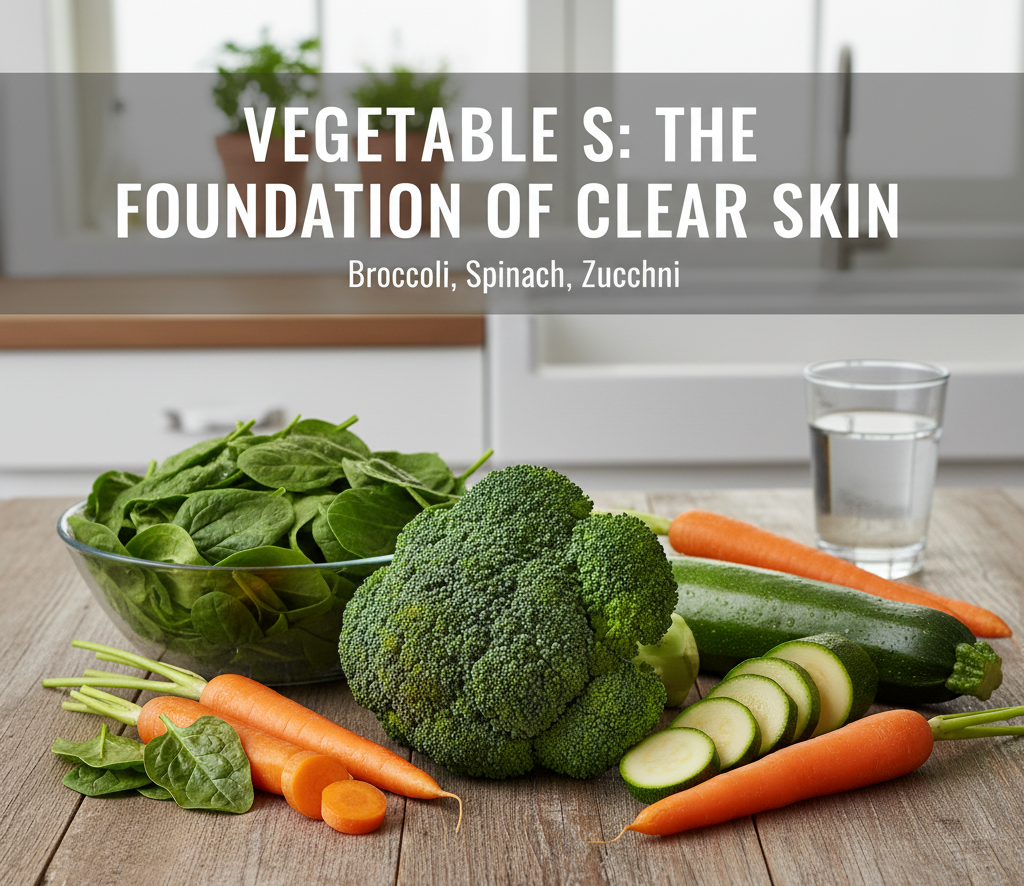
Vegetables are inherently low GI due to their high fiber and water content, making them ideal for teens. They provide vitamins A, C, and E, which are vital for skin repair and collagen production.
- Broccoli (GI: 15): Packed with sulforaphane, an antioxidant that detoxifies the skin. Steam or roast for snacks; add to stir-fries for dinner.
- Spinach (GI: 15): Rich in iron and folate to combat anemia-related fatigue in teens. Use in smoothies or salads.
- Carrots (GI: 35): Beta-carotene converts to vitamin A, promoting cell turnover. Raw sticks with hummus make a portable snack.
- Zucchini (GI: 15): Versatile for zoodles or grilled sides, low in calories but high in hydration.
Aim for at least five servings daily. A study in Nutrients journal found that increased vegetable intake correlated with a 15% reduction in acne prevalence among adolescents.
Fruits: Natural Sweetness Without the Spike
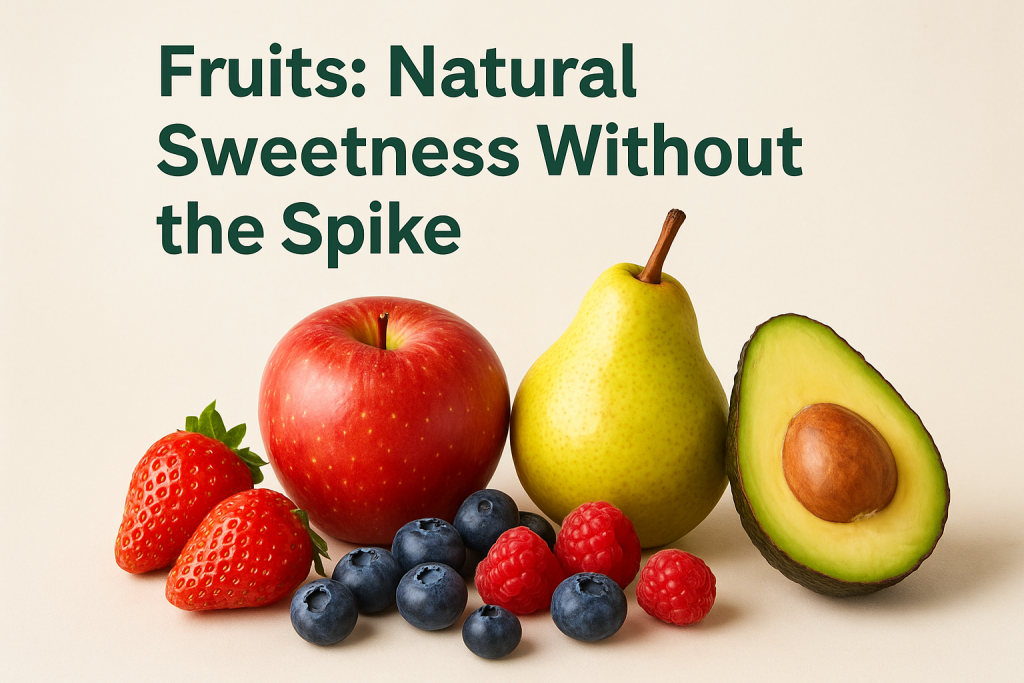
Fruits offer sweetness without the high GI pitfalls of processed sugars, providing fiber to slow absorption.
- Berries (Strawberries GI: 40, Blueberries GI: 53): Loaded with anthocyanins for anti-inflammatory benefits. Blend into yogurt parfaits.
- Apples (GI: 39): Pectin fiber aids digestion; eat with skin for maximum benefits.
- Pears (GI: 38): Similar to apples, great for on-the-go snacking.
- Avocados (GI: 15): Healthy fats support hormone balance; mash on whole-grain toast.
Limit to two to three servings per day to avoid excess natural sugars. Research from the British Journal of Dermatology indicates that low GI fruits can decrease acne lesions by up to 20%.
Proteins: Building Blocks for Skin Resilience
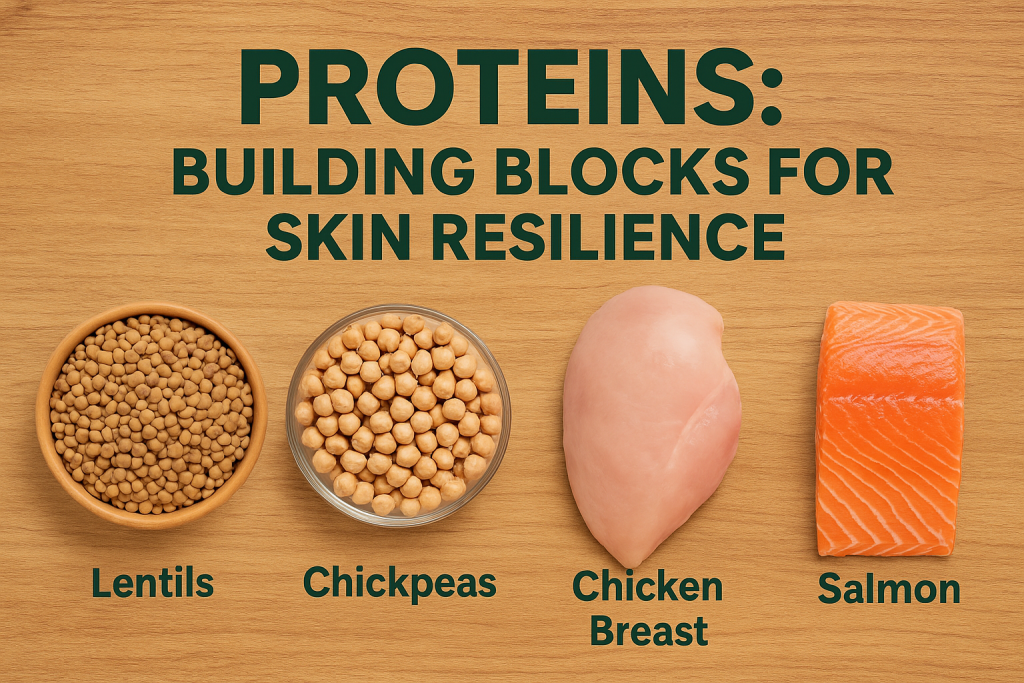
Lean proteins stabilize blood sugar when paired with carbs, essential for growing teens.
- Lentils (GI: 30): Plant-based protein with fiber; use in soups or salads.
- Chickpeas (GI: 28): Versatile for hummus or roasted snacks.
- Chicken Breast (GI: 0): Low fat, high protein; grill for meals.
- Salmon (GI: 0): Omega-3s reduce inflammation; bake or poach weekly.
- Eggs (GI: 0): Complete protein; boil for quick breakfasts.
Incorporate 20-30 grams per meal. A trial in Dermatology Research and Practice showed protein-rich, low GI diets improved skin elasticity in teens.
Grains and Alternatives: Sustained Energy Sources https://pmc.ncbi.nlm.nih.gov/articles/PMC9086769/
Whole grains provide complex carbs for steady energy.
- Quinoa (GI: 53): Gluten-free pseudo-grain with all essential amino acids.
- Barley (GI: 28): Beta-glucan fiber lowers cholesterol; in pilafs.
- Oats (GI: 55): Steel-cut varieties are best; overnight oats for breakfast.
- Brown Rice (GI: 50): Better than white; pair with veggies.
Avoid refined grains. Studies affirm that whole grains in low GI diets enhance metabolic profiles in adolescents.
Nuts and Seeds: Healthy Fats for Hormone Control
These provide satiety and essential fatty acids.
- Almonds (GI: 0): Vitamin E for skin protection; handful as snack.
- Chia Seeds (GI: 1): Omega-3s; add to puddings.
- Walnuts (GI: 0): Brain-boosting; in trail mixes.
- Pumpkin Seeds (GI: 10): Zinc for immune support.
Limit to one ounce daily to manage calories.
Dairy and Alternatives: Calcium Without Compromise
Choose low GI options for bone health.
- Greek Yogurt (GI: 11): Probiotics for gut health; plain, unsweetened.
- Almond Milk (GI: 30): Fortified for calcium; in cereals.
- Cottage Cheese (GI: 10): High protein; with fruits.
Opt for low-fat varieties to minimize saturated fats.
Sample Meal Plans for a Low Glycemic Diet
To make adoption seamless, here are weekly meal ideas tailored for busy teens. Each plan emphasizes the low glycemic diet for teenagers with breakouts, balancing macros for sustained energy.
Breakfast Options
- Oatmeal with berries and almonds: GI under 50, provides fiber and antioxidants.
- Greek yogurt parfait with chia seeds and apple slices.
- Veggie omelet with spinach and tomatoes.
Lunch Ideas
- Quinoa salad with chickpeas, broccoli, and lemon dressing.
- Grilled chicken wrap in whole-grain tortilla with avocado and carrots.
- Lentil soup with barley and mixed greens.
Dinner Suggestions
- Baked salmon with zucchini and brown rice.
- Stir-fried tofu with peppers, onions, and quinoa.
- Turkey stir-fry with mixed veggies and pearl barley.
Snacks
- Carrot sticks with hummus.
- Pear with a handful of walnuts.
- Celery with peanut butter (natural, no added sugar).
Track progress with a food diary. Over time, teens may notice fewer breakouts within 4-6 weeks, as per clinical observations.
Practical Tips for Implementing the Diet
Transitioning to a low glycemic diet requires strategy:
- Read Labels: Choose products with GI labels or check ingredients for added sugars.
- Portion Control: Balance plates with half veggies, quarter protein, quarter grains.
- Hydration: Drink 8-10 glasses of water daily to flush toxins.
- Exercise Integration: Pair with moderate activity like walking to enhance insulin sensitivity.
- Mindful Eating: Avoid emotional eating; focus on whole foods.
Address common challenges: For picky eaters, introduce foods gradually. Budget-conscious families can rely on affordable staples like lentils and oats.
Potential Challenges and Solutions
Teens may face peer pressure or cravings. Solutions include preparing meals in advance and educating on benefits. If breakouts persist, combine with professional skincare advice.
FAQs: Stop Breakouts – Low Glycemic Foods Every Teen Needs
1. Will a low glycemic diet completely cure my acne?
No diet can guarantee 100% acne-free skin because hormones, genetics, and skincare also play major roles. However, clinical studies show that a low glycemic diet for teenagers with breakouts can reduce total acne lesions by 22–50% in 8–12 weeks when followed consistently.
2. How fast will I see results on a low glycemic diet?
Most teens notice fewer new pimples within 2–4 weeks. Significant clearing (30–50% reduction) typically appears between weeks 6–10. Taking weekly photos under the same lighting helps track progress.
3. Can I still eat pizza and burgers?
Yes, but choose smarter versions:
- Cauliflower-crust or whole-wheat thin-crust pizza (GI drops from 80 to ~50)
- Lettuce-wrapped burger with lean chicken/turkey patty instead of bun These keep the meal under GI 55 while satisfying cravings.
4. What are the highest GI foods I must avoid?
White bread (GI 75+), sugary cereals (70–90), French fries (75), soda (65), candy bars (70+), and white rice (89). Even “healthy” culprits like watermelon (72) and instant oats (79) spike blood sugar fast.
5. I’m vegetarian—can I still follow this diet?
Absolutely! Lentils (GI 30), chickpeas (28), tofu (15), tempeh (15), quinoa (53), and Greek yogurt (11) provide complete protein while keeping glycemic load low.
6. Will this diet make me lose weight?
Many teens lose 4–8 kg in the first 3 months because low-GI foods are naturally high in fiber and protein, increasing satiety. Weight loss is a bonus, not the primary goal.
7. Can I eat fruits? Won’t sugar cause breakouts?
Yes, choose low-GI fruits: berries (25–40), apples (39), pears (38), cherries (22), and grapefruit (25). Limit high-GI fruits like watermelon, pineapple, and ripe bananas to small portions.
8. What about chocolate? Is all chocolate bad?
Dark chocolate 70%+ cocoa has GI ~23 and contains skin-friendly flavonoids. Milk chocolate (GI 49) is worse because of added sugar and dairy. Stick to 20–30 g of 75%+ dark chocolate daily.
9. My parents say carbs are essential for energy—will low GI make me tired?
No. Low-GI carbs (oats, barley, sweet potato, quinoa) give steady energy for 3–4 hours, unlike high-GI snacks that cause 2 pm crashes. Teens on low-GI plans report better focus in class.
10. Do I need to count glycemic index numbers every day?
Not after the first 2 weeks. Learn 15–20 staple foods (listed in the article) and build meals around them. Use the “plate rule”: ½ plate non-starchy veggies, ¼ protein, ¼ low-GI carbs.
Conclusion: Empowering Teens for Lifelong Skin Health
Embracing a low glycemic diet for teenagers with breakouts is more than a temporary fix—it’s a foundation for enduring wellness. By incorporating these nutrient-rich foods, adolescents can reclaim confidence through clearer skin while nurturing their bodies for future health. Remember, consistency is key; small changes yield significant results. For personalized guidance, consult healthcare professionals. Start today, and witness the transformation.