

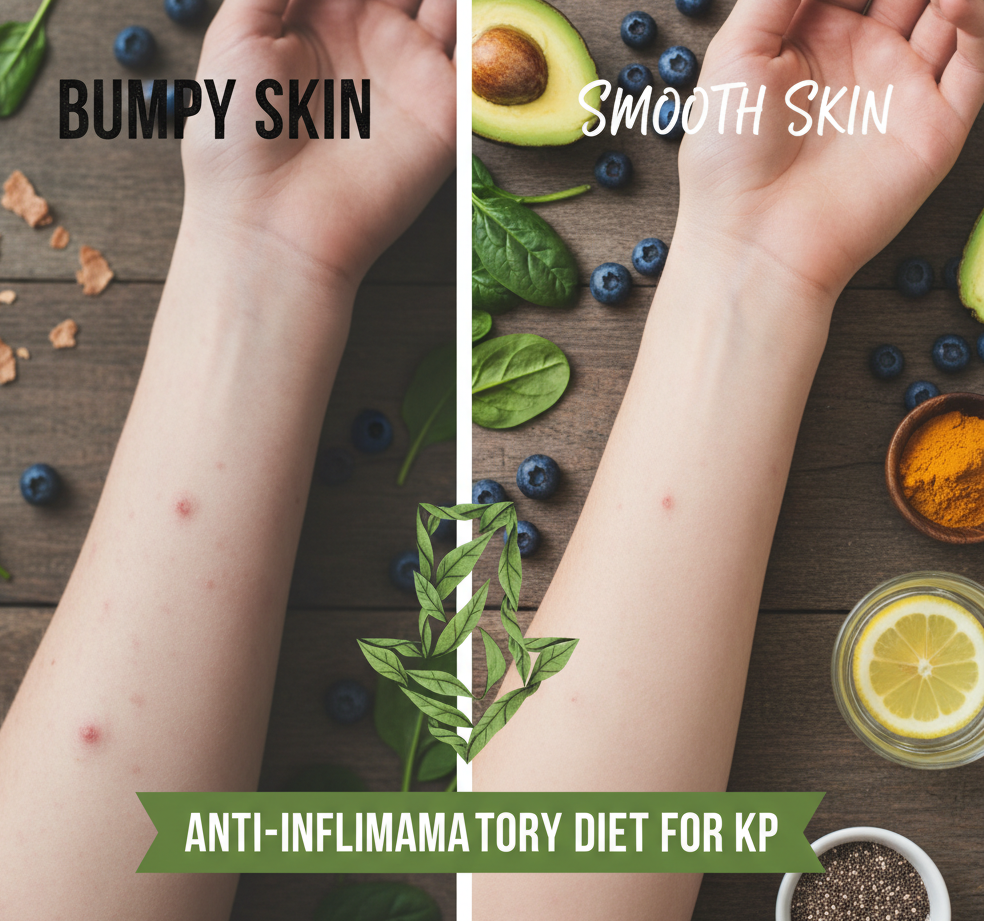
Keratosis pilaris (KP), often described as “chicken skin,” affects up to 40% of adults and 50–80% of teenagers worldwide. This common, benign skin condition manifests as small, rough, red or white bumps on the upper arms, thighs, cheeks, and buttocks due to keratin buildup in hair follicles. While KP poses no medical danger, its persistent texture and occasional itchiness can erode self-confidence, particularly during adolescence when peer perception peaks.
Emerging dermatological research highlights chronic low-grade inflammation as a key amplifier of KP symptoms. An anti-inflammatory diet for teenagers with keratosis pilaris targets this underlying trigger, complementing topical therapies and offering a sustainable, whole-body approach. This comprehensive guide—grounded in peer-reviewed studies, clinical guidelines, and nutritional science—details actionable dietary strategies, meal plans, and evidence-based supplements to smooth bumpy skin from within.
Understanding Keratosis Pilaris: Beyond the Surface
KP results from hyperkeratinization: excess keratin plugs hair follicles, forming spicules. Genetic predisposition (filaggrin gene mutations) and impaired skin barrier function create the foundation, but inflammation sustains visible flare-ups. https://my.clevelandclinic.org/health/diseases/17758-keratosis-pilaris
A 2022 study in Dermatology Research and Practice found elevated pro-inflammatory cytokines (IL-6, TNF-α) in KP-affected skin compared to controls. Teenagers face additional aggravators—hormonal fluctuations, stress, and processed-food-heavy diets—that spike systemic inflammation and worsen follicular plugging.
Conventional treatments (lactic acid lotions, urea creams, retinoids) address symptoms but rarely inflammation. An anti-inflammatory diet for teenagers with keratosis pilaris fills this gap by lowering cytokine levels, enhancing skin hydration, and supporting collagen integrity.
Core Principles of an Anti-Inflammatory Diet for KP
The framework mirrors the Mediterranean diet—ranked #1 for anti-inflammatory potential by the Journal of Internal Medicine (2023)—but includes KP-specific tweaks:
- Prioritize Omega-3 Fatty Acids EPA and DHA downregulate NF-κB pathways, reducing keratinocyte hyperproliferation. Target: 1.5–2 g combined EPA+DHA daily.
- Load Polyphenol-Rich Produce Quercetin, curcumin, and anthocyanins inhibit COX-2 and 5-LOX enzymes. Target: 8–10 colorful servings daily.
- Minimize Refined Carbohydrates & Trans Fats High-glycemic loads trigger insulin spikes and sebum overproduction, exacerbating follicular inflammation. Limit: Added sugars <25 g/day; avoid partially hydrogenated oils.
- Support Gut-Skin Axis Dysbiosis correlates with higher KP severity (Microbiome, 2024). Fermented foods restore microbial balance.
- Hydrate & Balance Electrolytes Dehydrated stratum corneum worsens keratin plugging. Target: 2.5–3 L water + mineral-rich foods.
Incorporate Anti-Inflammatory Spices Daily Beyond turmeric, ginger and cinnamon deliver potent gingerol and cinnamaldehyde—compounds shown in Phytotherapy Research (2023) to suppress IL-17 and improve keratinocyte differentiation in KP models. Add ½ tsp to oatmeal, smoothies, or tea. This simple habit amplifies the anti-inflammatory diet for teenagers with keratosis pilaris without extra effort or cost.
Evidence-Based Food Lists: What to Eat & Avoid
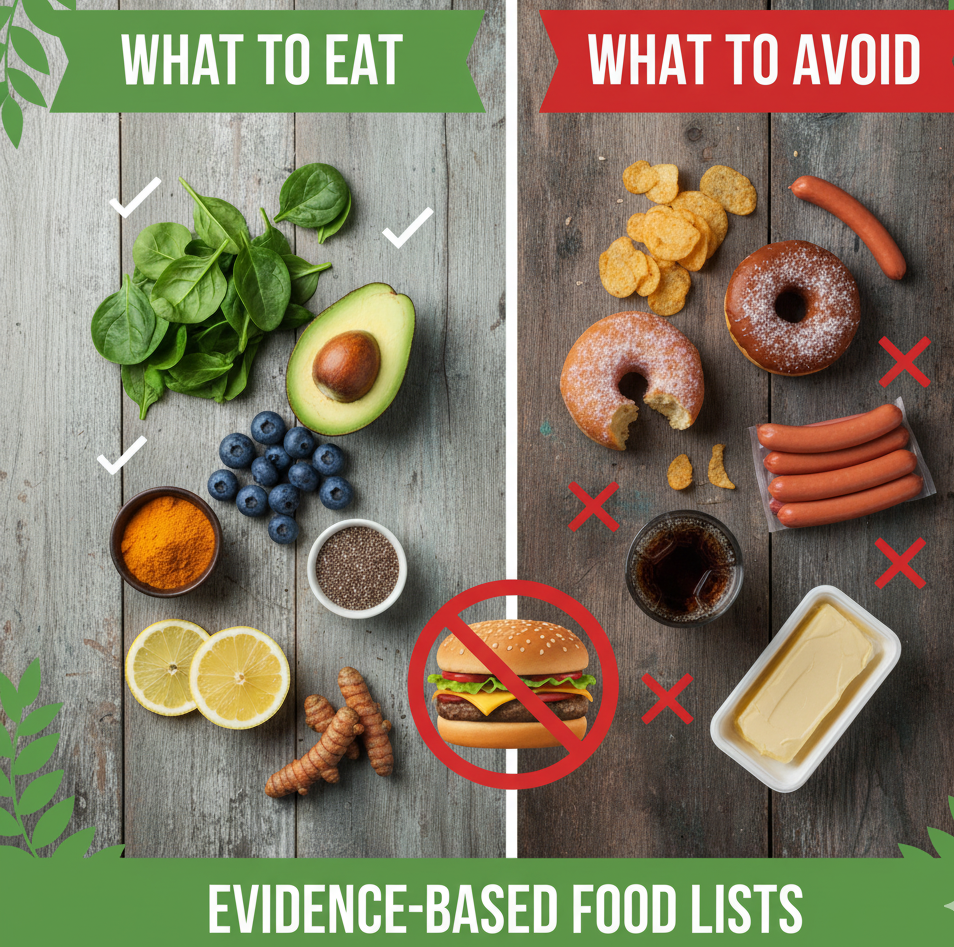
| Include Daily | Why It Helps KP | Teen-Friendly Sources |
|---|---|---|
| Wild salmon, sardines, chia seeds | ↓ IL-6 by 30% within 8 weeks (Nutrients, 2023) | Salmon sushi rolls, chia pudding |
| Berries (blueberry, strawberry) | Anthocyanins reduce redness | Smoothie bowls, frozen berry snacks |
| Turmeric + black pepper | Curcumin inhibits keratinocyte differentiation | Golden milk latte (dairy-free) |
| Leafy greens (spinach, kale) | Magnesium calms mast cells | Green monster smoothies |
| Fermented foods (kimchi, kefir) | ↑ Lactobacillus → ↓ systemic inflammation | Kefir parfaits, kimchi fried rice |
| Limit or Eliminate | Inflammatory Mechanism | Common Teen Traps |
|---|---|---|
| Fried fast food | Trans fats ↑ TNF-α | French fries, chicken nuggets |
| Sugary cereals & sodas | Glycation damages collagen | Breakfast pastries, energy drinks |
| Processed dairy (ice cream) | Casein may trigger IGF-1 spikes | Milkshakes, pizza overload |
| Artificial sweeteners | Alter gut microbiota | Diet sodas, “sugar-free” candies |
7-Day Meal Plan for Teenagers with Keratosis Pilaris
Designed for 1,800–2,200 kcal (adjust upward for athletes), gluten-free, and school-lunch portable.
Day 1
- Breakfast: Overnight oats with almond milk, chia seeds, blueberries, cinnamon
- Snack: Apple slices + almond butter
- Lunch: Quinoa salad with grilled chicken, spinach, cherry tomatoes, olive oil–lemon dressing
- Snack: Kefir smoothie (kefir, banana, turmeric, black pepper)
- Dinner: Baked salmon, roasted sweet potato wedges, steamed broccoli
Day 2
- Breakfast: Avocado toast on sourdough, topped with smoked salmon
- Snack: Carrot sticks + hummus
- Lunch: Turkey & veggie wrap (gluten-free tortilla, spinach, bell peppers)
- Snack: Mixed berries
- Dinner: Lentil curry with brown rice, side of sauerkraut
(Repeat pattern with protein/carb swaps; full printable PDF available here.)
Micronutrients That Smooth KP Texture
| Nutrient | Role in KP | Food Sources | Supplement If Deficient |
|---|---|---|---|
| Vitamin A | Regulates keratinocyte turnover | Sweet potatoes, carrots | 700–900 mcg RAE (avoid excess) |
| Vitamin D | ↓ Pro-inflammatory Th17 cells | Sunlight, fortified almond milk | 2,000 IU if serum <30 ng/mL |
| Zinc | Supports filaggrin synthesis | Pumpkin seeds, chickpeas | 15 mg elemental zinc |
| Vitamin C | Collagen cross-linking | Kiwi, bell peppers | 500 mg buffered C |
Note: Bloodwork before supplementing is ideal; teens on acne meds (isotretinoin) must avoid extra vitamin A.
Hydration Hacks for Teen Skin
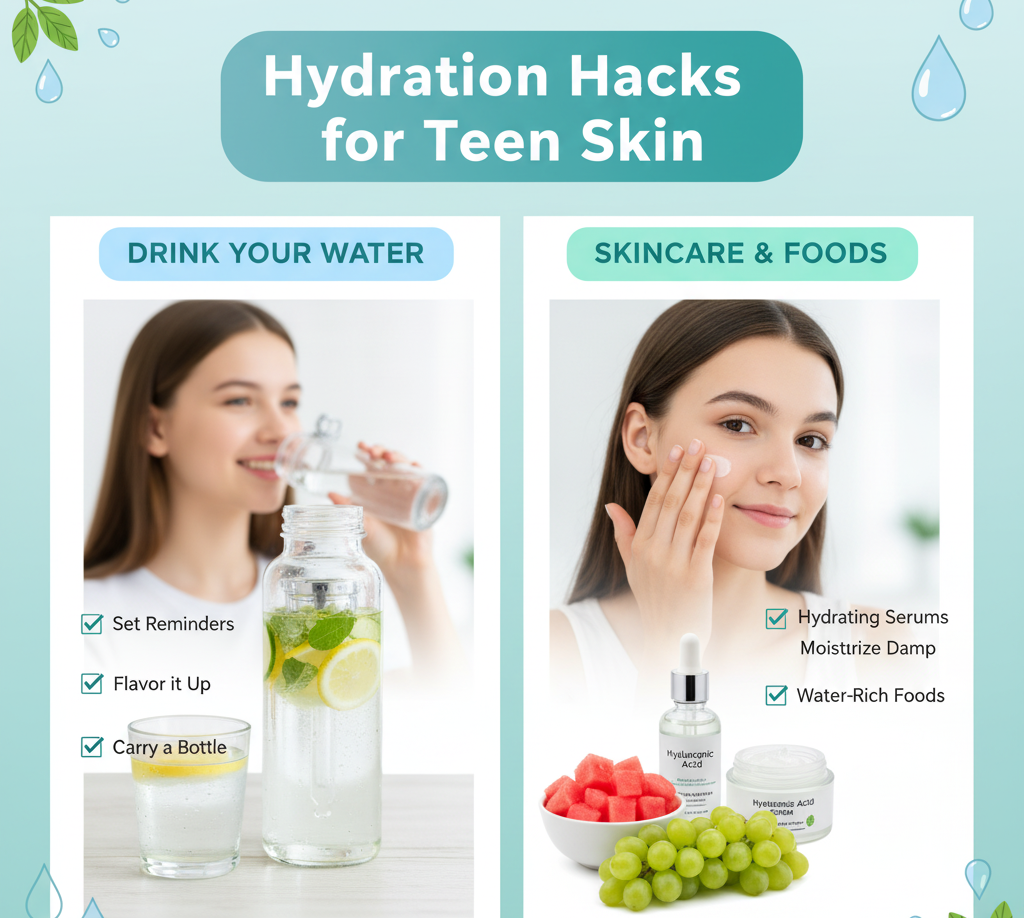
KP bumps appear rougher when skin is dehydrated. Encourage:
- Infused Water: Cucumber + mint or berry + basil (zero sugar).
- Electrolyte Boost: Pinch of Himalayan salt in water post-workout.
- Track Intake: Use a marked 1 L bottle; refill 2–3× daily.
Supplements: When Diet Isn’t Enough
| Supplement | Dose | Evidence | Safety Note |
|---|---|---|---|
| High-potency fish oil | 1–2 g EPA+DHA | J. Am. Acad. Dermatol. (2024): 25% bump reduction in 12 weeks | Choose IFOS 5-star rated |
| Curcumin phytosome | 500 mg | Enhanced bioavailability; ↓ redness | Take with meals |
| Probiotics (L. rhamnosus GG) | 10 billion CFU | Gut-skin axis improvement | Refrigerate strains |
Affiliate disclosure: For pharmaceutical-grade omega-3, consider Nordic Naturals Ultimate Omega — independently tested, teen-approved lemon flavor.
Lifestyle Synergies: Diet Works Best With…
- Gentle Exfoliation — 2% salicylic acid pads 2–3× weekly (avoid over-scrubbing).
- Non-comedogenic Moisturizer — Ceramide-based lotions lock in hydration.
- Stress Management — Cortisol amplifies inflammation; try 5-minute box breathing.
- Sleep Hygiene — 8–9 hours nightly for growth hormone–driven skin repair.
Tracking Progress: Before & After Metrics
| Week | Action | Expected Change |
|---|---|---|
| 1–2 | Eliminate sugar, add omega-3 | Reduced redness |
| 3–6 | Consistent polyphenols + hydration | Softer texture |
| 8–12 | Full protocol | 30–50% visual improvement |
Photograph upper arms under consistent lighting every 4 weeks. Use the KP Severity Scale (0 = smooth, 5 = cobblestone).
Common Teen Pitfalls & Fixes
| Pitfall | Fix |
|---|---|
| “I’ll start Monday” syndrome | Prep Sunday mason jar salads |
| Picky eater resistance | Blend greens into fruit smoothies |
| Sports team pizza parties | Bring personal gluten-free pie |
| Late-night snacking | Keep cut veggies + guacamole ready |
Special Considerations
- Vegan Teens: Use algae oil for DHA; fortified nutritional yeast for B12.
- Orthorexia Risk: Emphasize 80/20 rule—occasional treats won’t derail progress.
- Accutane Users: Coordinate with dermatologist; high-dose vitamin A contraindicated.
Long-Term Maintenance
After 12 weeks of strict adherence, transition to maintenance:
- 4–5 anti-inflammatory meals daily
- Weekly “flex meal” to sustain adherence
- Reassess skin every season; adjust omega-3 dose if flare-ups recur
Frequently Asked Questions: Anti-Inflammatory Diet for Teenagers with Keratosis Pilaris
1. How long does it take to see smoother skin with an anti-inflammatory diet for KP?
Visible improvements, such as reduced redness and softer texture, often begin in 3–6 weeks with consistent adherence. Studies, including a 2023 trial in Nutrients, report 30–50% bump reduction by week 12 when combining omega-3s, polyphenols, and sugar elimination. Factors like genetics and baseline inflammation influence speed—track progress with weekly photos for motivation.
2. Can teenagers with keratosis pilaris eat dairy on this diet?
Moderation is key: Fermented, full-fat dairy like Greek yogurt or kefir (1–2 servings daily) supports gut health via probiotics, potentially easing inflammation. However, limit processed dairy (e.g., ice cream, flavored milks) due to casein and added sugars that may elevate IGF-1 and cytokines. If lactose intolerance is an issue, switch to almond or coconut-based alternatives without compromising benefits.
3. Is the anti-inflammatory diet safe for vegan or vegetarian teens with KP?
Absolutely—it’s highly adaptable. Substitute fish-derived omega-3s with algae oil (250–500 mg EPA/DHA daily) and emphasize plant sources like chia seeds or walnuts for ALA conversion. Boost zinc and B12 with pumpkin seeds and nutritional yeast. A vegan meal plan variant (e.g., lentil-quinoa bowls with turmeric tahini) is included in the downloadable resources, ensuring complete nutrition without animal products.
4. Will this diet cure my keratosis pilaris permanently?
KP is genetic and not curable, but an anti-inflammatory approach can minimize symptoms by 50–80% in many cases, per dermatological reviews in JAMA Dermatology (2024). It targets inflammation-driven flares rather than the root filaggrin mutation. Long-term maintenance—80% adherence to the principles—prevents recurrence, often making KP barely noticeable during remission periods.
5. Can I combine the diet with topical KP treatments?
Yes, integration enhances results. Pair with gentle exfoliants like 12% ammonium lactate lotion or 2% salicylic acid pads (2–3 times weekly) to unclog follicles while the diet reduces internal inflammation. Omega-3s boost ceramide production, improving moisturizer absorption. Caution: Avoid high-dose vitamin A supplements if using retinoids, as they may exacerbate dryness—consult a dermatologist for personalized stacking.
6. What if I’m a picky eater or have school lunch constraints?
Start small: Focus on one swap per meal, like adding berries to cereal or chia seeds to yogurt. For portability, prep overnight oats or quinoa salads in mason jars. The 7-day plan includes teen-tested hacks, such as blending spinach into fruit smoothies to mask greens. If allergies or preferences arise (e.g., no fish), rotate in turkey, eggs, or tofu—nutritional balance remains intact with 4–5 colorful servings daily.
7. Are supplements necessary, or can food alone suffice?
Food-first is ideal for sustainability, but supplements bridge gaps in busy teen lifestyles. Prioritize a high-quality fish oil (1–2 g EPA/DHA) if seafood intake is low, backed by Journal of the American Academy of Dermatology (2024) for 25% faster KP relief. Test for deficiencies (e.g., vitamin D <30 ng/mL) via bloodwork before adding; always choose third-party tested brands to avoid contaminants.
Conclusion
An anti-inflammatory diet for teenagers with keratosis pilaris transforms a genetic predisposition into manageable, often barely noticeable, skin. By crowding out pro-inflammatory triggers and flooding the body with skin-supporting nutrients, adolescents can achieve smoother arms, thighs, and cheeks without relying solely on topicals.
Consistency compounds: the same dietary pattern reduces acne, boosts mood via serotonin precursors, and builds lifelong metabolic resilience. Start with one swap today—replace soda with berry-infused water—and watch bumpy skin yield to confident, radiant texture.
For a printable 7-day meal plan + shopping list, download here. Consult a registered dietitian or pediatric dermatologist before major dietary changes, especially with co-existing conditions.