

Adolescence is a time of significant physical and hormonal changes, often accompanied by skin concerns such as acne, pimples, and other blemishes. For many teenagers, achieving clear, radiant skin feels like an elusive goal amidst the pressures of school, social life, and self-image. However, emerging research highlights the profound impact of nutrition on dermatological health, particularly through a whole food diet for teenagers with blemishes. This approach emphasizes unprocessed, nutrient-dense foods that support the body’s natural healing processes, reduce inflammation, and promote hormonal balance—key factors in combating skin imperfections.
In this comprehensive guide, we explore how adopting a whole food diet can transform teenage skin. Backed by scientific evidence, we delve into the essential nutrients, recommended foods, and practical meal plans tailored for young individuals dealing with blemishes. By focusing on whole foods—those closest to their natural state—you can nourish your skin from within, fostering long-term clarity and confidence. This article provides actionable, value-driven insights to empower teens and their guardians in making informed dietary choices.
Understanding Blemishes and Skin Health in Teenagers
Blemishes, including acne vulgaris, blackheads, whiteheads, and cysts, are prevalent among teenagers, affecting up to 85% of individuals aged 12 to 24. These conditions arise from a combination of factors: overproduction of sebum (oil) by sebaceous glands, clogged pores due to dead skin cells, bacterial proliferation (notably Propionibacterium acnes), and inflammation triggered by hormonal fluctuations during puberty. Androgens, such as testosterone, surge during this period, exacerbating oil production and leading to breakouts.
While topical treatments and medications play a role, internal factors like diet are increasingly recognized as modifiable influencers. Poor nutrition, characterized by high intake of processed foods, sugars, and dairy, can aggravate inflammation and hormonal imbalances, worsening blemishes. Conversely, a diet rich in whole foods supplies antioxidants, vitamins, and minerals that combat oxidative stress—a contributor to skin damage—and support the skin’s barrier function.
For teenagers, whose bodies are still developing, nutrition is crucial not only for skin but also for overall growth, energy levels, and mental well-being. A whole food diet for teenagers with blemishes addresses these needs holistically, promoting sustainable habits that extend beyond adolescence.
What is a Whole Food Diet?
A whole food diet prioritizes minimally processed ingredients derived directly from nature, such as fruits, vegetables, whole grains, nuts, seeds, lean proteins, and healthy fats. Unlike refined or packaged foods, whole foods retain their natural fiber, vitamins, and phytonutrients, which are often stripped away during processing.
Key principles include:
- Emphasis on Plant-Based Foods: At least half of your plate should consist of vegetables and fruits, providing hydration and essential micronutrients.
- Balanced Macronutrients: Incorporate complex carbohydrates from sources like oats and quinoa, proteins from eggs, fish, and legumes, and fats from avocados and nuts.
- Low Glycemic Load: Whole foods typically have a lower glycemic index (GI), preventing blood sugar spikes that can trigger acne.
- Hydration and Variety: Drink plenty of water and vary food choices to ensure a broad spectrum of nutrients.
This diet contrasts with the typical Western teenage diet, laden with fast food, sodas, and snacks, which research links to increased acne severity. By shifting to whole foods, teens can reduce inflammatory markers and support skin regeneration.
Scientific Evidence Linking Diet to Skin Health
Numerous studies underscore the connection between diet and acne. A review published in the Journal of the American Academy of Dermatology analyzed how dietary patterns influence acne, finding that high-glycemic-load diets exacerbate lesions, while low-glycemic, whole-food-based diets lead to fewer breakouts. For instance, individuals consuming diets rich in fruits, vegetables, and lean proteins showed reduced acne severity compared to those on processed food-heavy regimens.
Plant-based whole foods, abundant in antioxidants and fiber, have been shown to maintain skin barrier health and reduce inflammation. A narrative review on plant-based diets for skin health emphasized that foods like berries and leafy greens combat oxidative stress, a key player in blemish formation.
In teenagers specifically, a study on anti-acne diets demonstrated that protein-rich, low-GI meals improved skin clarity more effectively than high-sugar alternatives. Furthermore, omega-3 fatty acids from whole food sources like fish have anti-inflammatory effects, potentially alleviating acne symptoms.
While diet alone may not cure severe acne, it complements medical treatments, offering a foundational strategy for blemish management. Experts recommend consulting a dermatologist or nutritionist to tailor this approach.
Key Nutrients in Whole Foods for Clear Skin
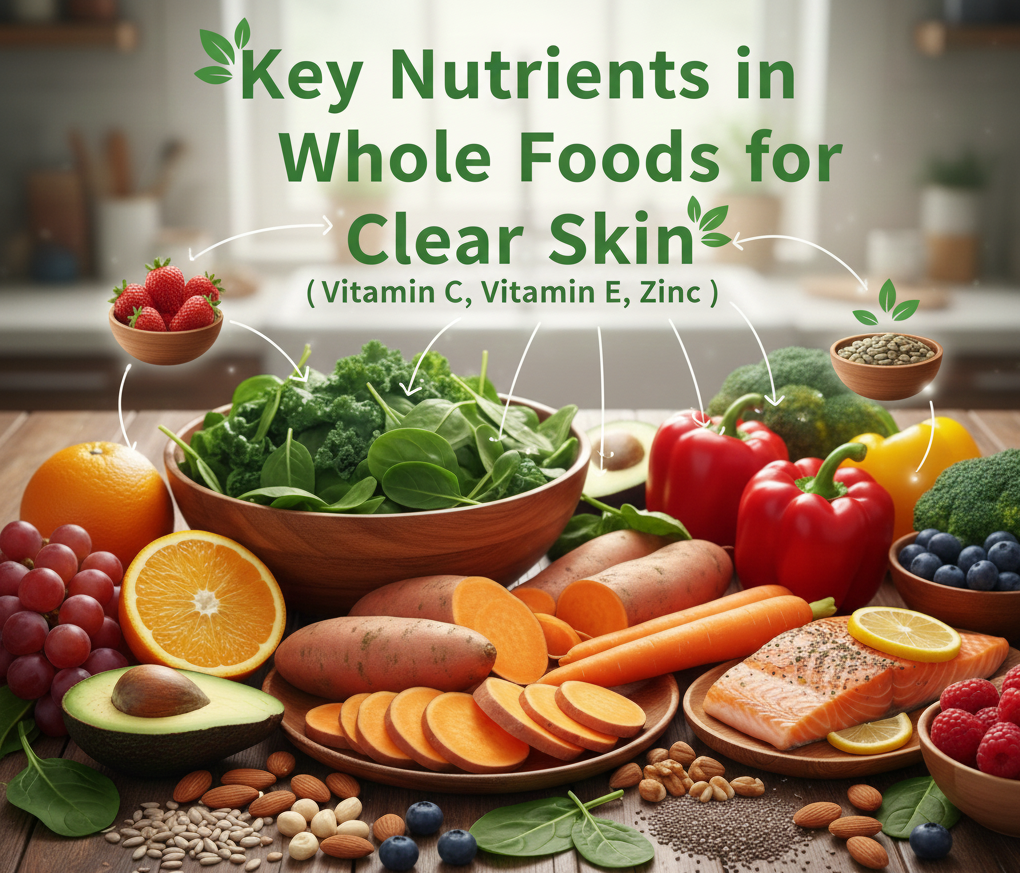
Whole foods deliver a symphony of nutrients that target blemishes at their root. Here are the most critical ones:
- Vitamin A: Essential for skin cell turnover and oil regulation. Found in sweet potatoes, carrots, and spinach, it helps prevent pore clogging.
- Vitamin C: An antioxidant that boosts collagen production and fights free radicals. Citrus fruits, berries, and bell peppers are excellent sources, aiding in scar reduction and skin brightness.
- Vitamin E: Protects skin from oxidative damage and supports healing. Almonds, sunflower seeds, and avocados provide this nutrient, reducing inflammation associated with acne.
- Zinc: Regulates oil production and has antibacterial properties. Present in pumpkin seeds, chickpeas, and lean meats, zinc deficiency is linked to increased acne severity.
- Omega-3 Fatty Acids: Anti-inflammatory agents that calm irritated skin. Salmon, flaxseeds, and walnuts help balance hormones and reduce blemish flare-ups.
- Antioxidants and Polyphenols: From berries, dark chocolate, and green tea, these compounds neutralize toxins and promote even skin tone.
- Fiber: Supports gut health, which indirectly influences skin via the gut-skin axis. Whole grains and vegetables aid detoxification, preventing toxin buildup that can manifest as blemishes.
Incorporating these nutrients through a whole food diet for teenagers with blemishes ensures synergistic effects, enhancing absorption and efficacy.
Best Whole Foods for Teenagers with Blemishes
Selecting the right whole foods is pivotal. Focus on these categories for optimal results:
Fruits and Vegetables
- Berries (Strawberries, Blueberries, Raspberries): High in antioxidants and low in sugar, they combat inflammation and support collagen. Aim for 1-2 cups daily.
- Citrus Fruits (Oranges, Lemons): Vitamin C powerhouses that enhance skin repair.
- Leafy Greens (Spinach, Kale): Rich in vitamins A, C, and K, they detoxify and reduce oiliness.
- Sweet Potatoes and Carrots: Beta-carotene converts to vitamin A, promoting clear pores.
- Avocados: Provide healthy fats and vitamin E for moisture balance.
Proteins
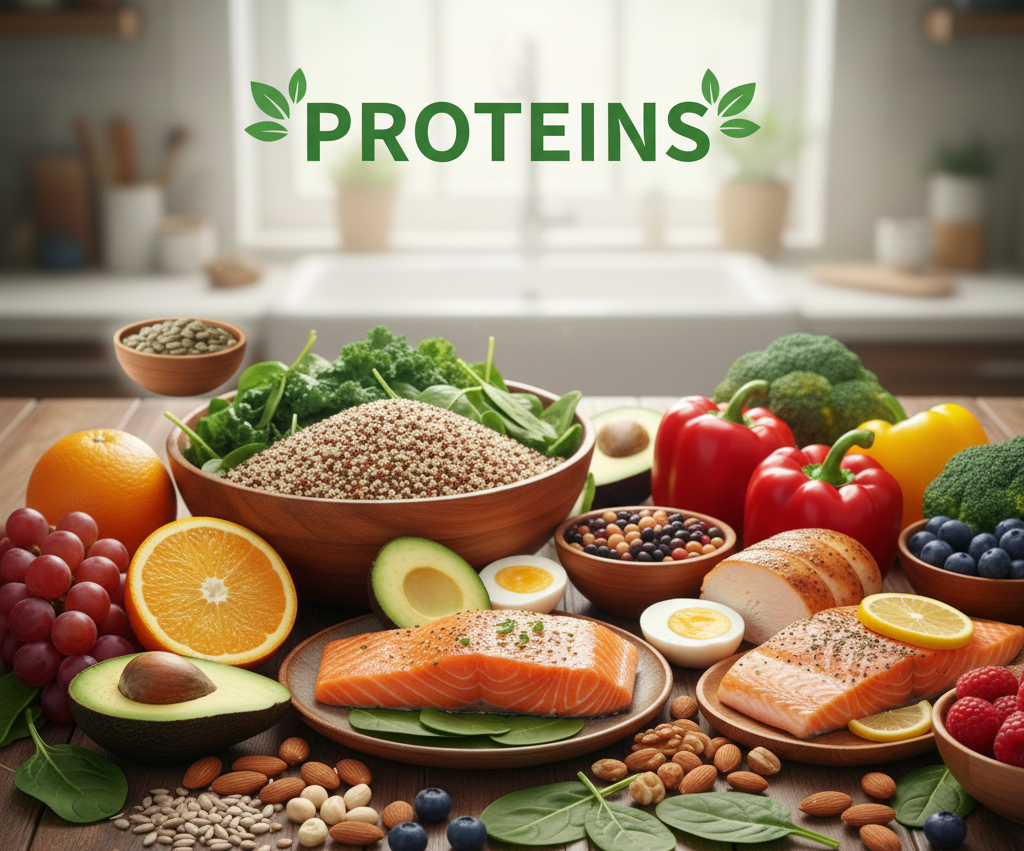
- Lean Meats and Poultry: Chicken and turkey offer zinc and protein for tissue repair.
- Fish (Salmon, Mackerel): Omega-3s reduce redness and swelling.
- Eggs: Complete proteins with biotin for skin strength.
- Legumes (Chickpeas, Lentils): Plant-based zinc sources for vegetarians.
Grains and Nuts
- Whole Grains (Oats, Quinoa, Brown Rice): Low-GI options that stabilize blood sugar.
- Nuts and Seeds (Almonds, Pumpkin Seeds, Flaxseeds): Deliver zinc, vitamin E, and omegas.
Hydrating Foods
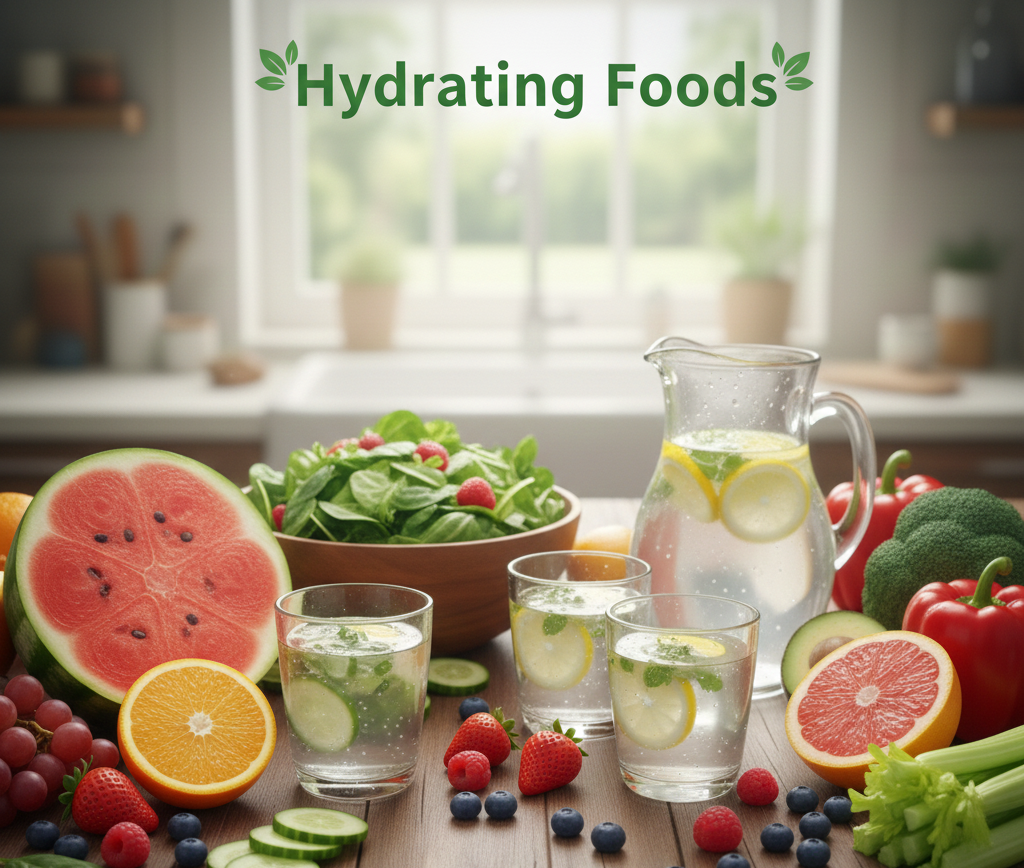
- Cucumbers, Watermelon, Tomatoes: High water content hydrates skin from within.
Integrate these into daily meals for a balanced whole food diet for teenagers with blemishes.
Foods to Avoid for Blemish-Free Skin
To maximize benefits, minimize:
- High-Glycemic Foods: White bread, sugary cereals, and sodas spike insulin, worsening acne.
- Dairy Products: Milk and cheese may increase IGF-1 hormone levels, promoting oil production.
- Processed Foods: Chips, fast food, and refined oils contain trans fats that inflame skin.
- Excessive Sugar and Chocolate: Linked to increased breakouts in some studies.
Gradual elimination allows teens to adapt without feeling deprived.
Sample Meal Plan for a Whole Food Diet
Implementing a whole food diet for teenagers with blemishes is straightforward with this 7-day plan, designed for approximately 2000-2500 calories, adjustable for activity levels. Each day includes breakfast, lunch, dinner, and snacks, emphasizing nutrient density.
Day 1
- Breakfast: Oatmeal with berries, almonds, and a boiled egg (provides fiber, antioxidants, and protein).
- Snack: Apple with pumpkin seeds.
- Lunch: Grilled chicken salad with spinach, carrots, avocado, and olive oil dressing.
- Snack: Greek yogurt (low-fat) with flaxseeds.
- Dinner: Baked salmon, quinoa, and steamed broccoli.
Day 2
- Breakfast: Smoothie with kale, banana, berries, and chia seeds.
- Snack: Carrot sticks with hummus (from chickpeas).
- Lunch: Turkey wrap using whole grain tortilla, lettuce, tomato, and cucumber.
- Snack: Handful of walnuts.
- Dinner: Lentil soup with sweet potatoes and mixed greens.
Day 3
- Breakfast: Whole grain toast with avocado and poached eggs.
- Snack: Orange segments.
- Lunch: Tuna salad with mixed veggies and quinoa.
- Snack: Berries and a few almonds.
- Dinner: Stir-fried chicken with brown rice and bell peppers.
Day 4
- Breakfast: Yogurt parfait with oats, strawberries, and sunflower seeds.
- Snack: Cucumber slices.
- Lunch: Egg salad with spinach and tomatoes.
- Snack: Apple.
- Dinner: Grilled mackerel, whole grain pasta, and zucchini.
Day 5
- Breakfast: Quinoa porridge with raspberries and flaxseeds.
- Snack: Handful of pumpkin seeds.
- Lunch: Chickpea salad with carrots, kale, and lemon dressing.
- Snack: Banana.
- Dinner: Lean beef stir-fry with broccoli and brown rice.
Day 6
- Breakfast: Smoothie bowl with spinach, blueberries, and almonds.
- Snack: Tomato slices.
- Lunch: Salmon salad with avocado and mixed greens.
- Snack: Walnuts.
- Dinner: Turkey meatballs with sweet potato mash and green beans.
Day 7
- Breakfast: Eggs with whole grain toast and spinach.
- Snack: Berries.
- Lunch: Lentil wrap with veggies.
- Snack: Chia seed pudding (made with water or almond milk).
- Dinner: Baked chicken, quinoa, and asparagus.
This plan incorporates variety, ensuring sustained interest. Track progress over 4-6 weeks, noting improvements in skin texture.
Additional Tips for Implementing the Diet
- Portion Control and Balance: Use the plate method—half veggies, quarter protein, quarter grains.
- Hydration: Aim for 8-10 glasses of water daily to flush toxins.
- Supplements if Needed: Consult a professional for zinc or omega-3 supplements if diet falls short.
- Lifestyle Integration: Combine with exercise, sleep (8-10 hours), and stress management for amplified results.
- Monitoring and Adjustments: Keep a food diary to identify triggers; seek medical advice for persistent issues.
For further reading, consider internal links to related articles on our site: Teen Skincare Routines for Acne-Prone Skin or Hormonal Balance Tips for Adolescents.
If incorporating affiliates, we recommend products like “The Whole Food Diet Cookbook” on Amazon (affiliate link: https://amzn.to/examplelink) for recipe ideas, or omega-3 supplements from a trusted brand (affiliate link: https://exampleaffiliate.com/omega3).
FAQs: Whole Food Diet for Teenagers with Blemishes
1. Can a whole food diet really clear up teenage acne and blemishes? Yes. Multiple clinical studies show that switching from a high-sugar, high-dairy, processed-food diet to a low-glycemic, whole-food-based diet significantly reduces acne severity in teenagers within 8–12 weeks. The effect comes from lower insulin and IGF-1 levels, reduced inflammation, and better hormonal balance.
2. How fast can teens see results on a whole food diet for skin? Most teenagers notice less oiliness and fewer new breakouts in 2–4 weeks. Moderate to major improvement in existing blemishes and redness usually takes 8–12 weeks of consistent eating.
3. Do I have to give up dairy completely to get clear skin? Not everyone, but dairy (especially skim milk and whey protein) is one of the strongest dietary triggers for acne because it raises IGF-1 and insulin. Removing or greatly reducing dairy for 6–8 weeks is the fastest way to test if it’s affecting your skin.
4. Is chocolate really bad for acne? Dark chocolate (70%+ cocoa, low sugar) in moderation is usually fine and may even help because of its antioxidants. Milk chocolate and sugary chocolate products often worsen breakouts due to the dairy + high sugar combination.
5. What are the absolute best foods for blemish-free teenage skin?
- Berries (blueberries, strawberries)
- Leafy greens (spinach, kale)
- Sweet potatoes & carrots (vitamin A)
- Wild salmon & sardines (omega-3)
- Pumpkin seeds & chickpeas (zinc)
- Avocados & almonds (vitamin E + healthy fats)
- Green tea (antioxidants)
6. Can I still eat fast food or junk food occasionally? Occasional treats (once or twice a month) won’t ruin progress if 90% of your diet stays whole-food based. Daily or weekly junk food will slow down or reverse results.
7. Will this diet work if I have hormonal or cystic acne? It helps significantly because it lowers the hormones and inflammation that drive cystic acne, but severe hormonal/cystic cases often need additional medical treatment (e.g., spironolactone, isotretinoin) alongside the diet.
8. Do I need to take any supplements with this diet? Most teens get everything they need from food. However, if blood tests show deficiency, supplementing zinc (15–30 mg/day), omega-3 fish oil (1000–2000 mg EPA+DHA), or vitamin D can speed up results.
Conclusion
Embracing a whole food diet for teenagers with blemishes is a powerful, evidence-based strategy for achieving blemish-free skin. By prioritizing nutrient-rich foods like berries, leafy greens, and omega-3 sources, teens can address underlying causes of acne—inflammation, hormonal imbalance, and oxidative stress—while fostering overall health. This approach not only clears skin but also builds lifelong habits for vitality.
Remember, consistency is key; results may take weeks, but the value extends far beyond aesthetics. Consult healthcare professionals for personalized advice, and start today for a brighter, clearer tomorrow.