

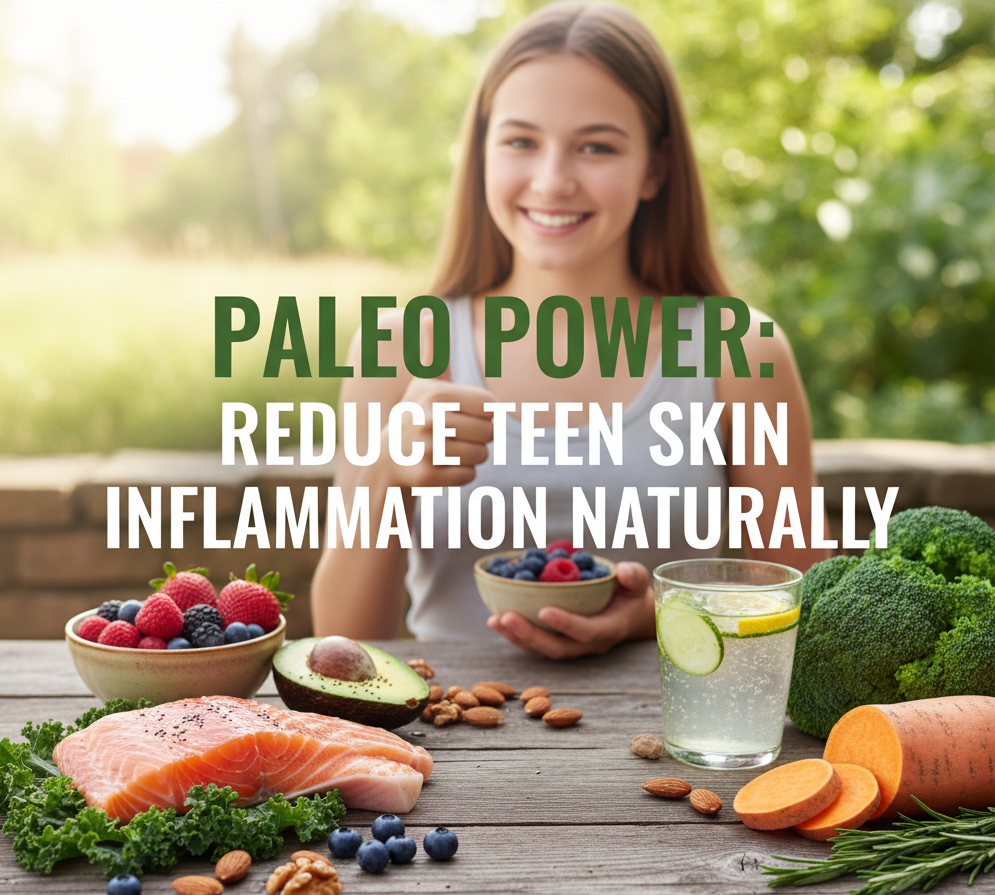
Skin inflammation, particularly during adolescence, can be a frustrating and confidence-diminishing challenge. For many teenagers, conditions such as acne, eczema, or general redness stem from a combination of hormonal changes, environmental factors, and dietary habits. While conventional treatments often involve topical creams or medications, an increasing body of evidence points to the role of nutrition in managing these issues holistically. Enter the paleo diet—a nutritional approach inspired by our ancestral eating patterns—that emphasizes whole, unprocessed foods to combat inflammation at its root. This article explores the paleo diet for teenagers with skin inflammation, offering a comprehensive guide to its principles, benefits, and practical implementation. By adopting this natural strategy, teens can potentially achieve clearer, healthier skin without relying solely on pharmaceutical interventions.
The Prevalence and Causes of Skin Inflammation in Adolescents
Adolescence is a period marked by rapid physiological changes, including surges in hormones like androgens, which can overstimulate oil glands in the skin, leading to inflammation. Common manifestations include acne vulgaris, characterized by pimples, blackheads, and cysts, affecting up to 85% of teenagers worldwide. Other forms, such as atopic dermatitis or psoriasis, may also flare up due to immune system dysregulation. Environmental triggers, including pollution and stress, exacerbate these conditions, but diet plays a pivotal role often overlooked in mainstream discussions.
Defining the Paleo Diet: Principles and Foundations
The paleo diet, often referred to as the “caveman diet,” is modeled after the presumed eating habits of Paleolithic hunter-gatherers. It prioritizes foods that were available before the advent of agriculture, approximately 10,000 years ago. Core components include lean meats, fish, fruits, vegetables, nuts, and seeds, while excluding grains, legumes, dairy, refined sugars, and processed oils. The rationale is that human genetics have not significantly evolved since the Stone Age, making modern processed foods mismatched to our biology and potentially inflammatory.
For teenagers, this diet must be adapted to support growth and energy needs. Unlike restrictive fad diets, paleo emphasizes quality over calorie counting, focusing on bioavailable nutrients. Key macronutrients include healthy fats from avocados and olive oil, proteins from grass-fed meats, and carbohydrates from root vegetables and fruits. Micronutrients like zinc, vitamin A, and omega-3 fatty acids—abundant in paleo-approved foods—are crucial for skin health, as they aid in collagen production, immune regulation, and antioxidant defense. By eliminating common allergens and irritants, the paleo diet for teenagers with skin inflammation aims to heal from within, promoting long-term wellness rather than temporary symptom relief.
Mechanisms: How the Paleo Diet Combats Skin Inflammation
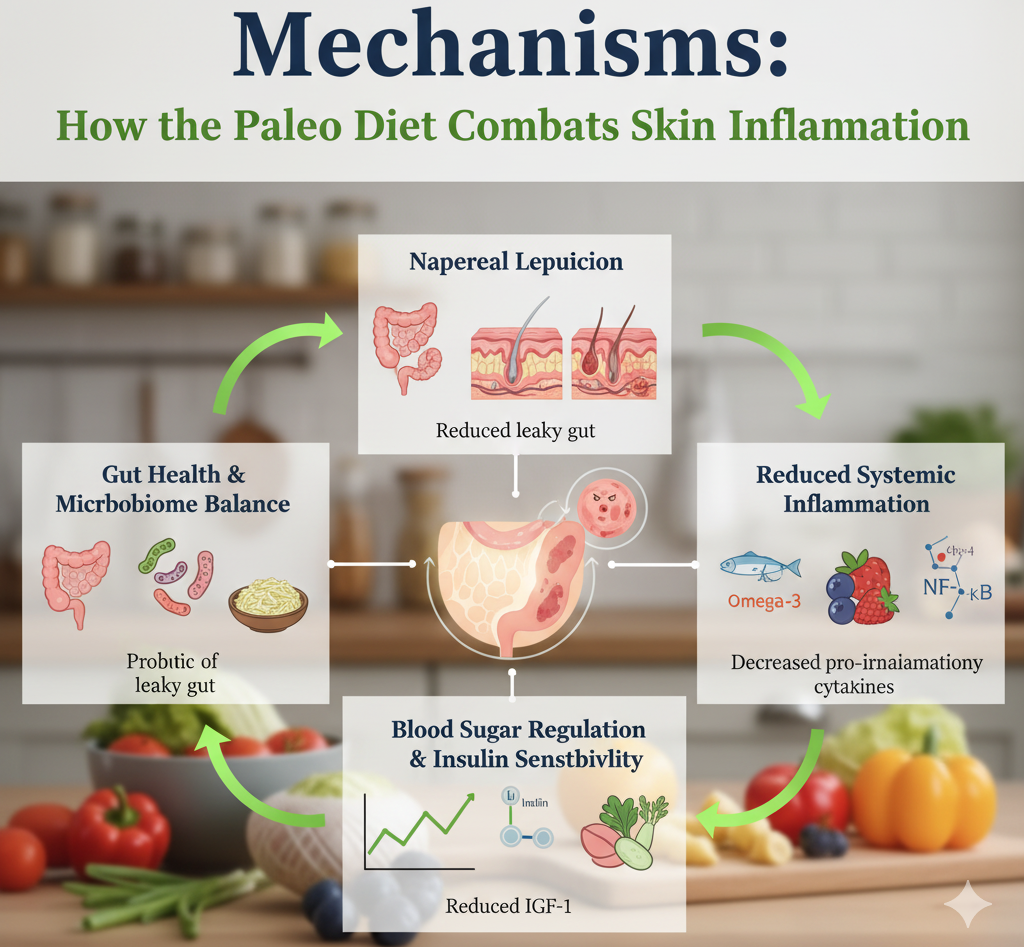
At a cellular level, skin inflammation involves cytokines, free radicals, and immune responses that, when chronic, lead to tissue damage. The paleo diet addresses this through several interconnected pathways. First, it reduces glycemic load by avoiding refined carbohydrates, stabilizing blood sugar and minimizing IGF-1 surges that fuel acne. Studies, including those published in the Journal of the Academy of Nutrition and Dietetics, indicate that low-glycemic diets can decrease acne severity by up to 50% in adolescents.
Second, paleo promotes an anti-inflammatory omega-3 to omega-6 ratio. Modern diets skew heavily toward omega-6 from vegetable oils, fostering pro-inflammatory eicosanoids. In contrast, paleo sources like wild-caught salmon and walnuts boost omega-3s, which inhibit arachidonic acid pathways and reduce prostaglandin production linked to skin redness. Third, the diet enhances gut health—a critical factor since gut dysbiosis can trigger systemic inflammation via the gut-skin axis. Fermentable fibers from vegetables support beneficial bacteria, while excluding grains and legumes minimizes lectins and phytates that may irritate the intestinal lining.
Antioxidant-rich foods in paleo, such as berries and leafy greens, neutralize free radicals from environmental stressors, protecting skin cells. For teens, this is particularly valuable during puberty when oxidative stress peaks. Additionally, paleo encourages hydration and electrolyte balance through natural sources, aiding in detoxification and skin hydration. Overall, the paleo diet for teenagers with skin inflammation operates as a multifaceted intervention, targeting root causes rather than masking symptoms.
Essential Paleo Foods for Optimal Skin Health in Teens
Selecting the right foods is paramount for efficacy. Prioritize anti-inflammatory staples that deliver vitamins, minerals, and phytonutrients. Proteins should come from grass-fed beef, free-range poultry, and wild-caught fish like mackerel or sardines, rich in zinc and selenium for wound healing and acne reduction. Eggs, if tolerated, provide biotin and vitamin D, supporting keratin production and immune modulation.
Vegetables form the diet’s backbone: Leafy greens (spinach, kale) offer vitamin K and folate for collagen synthesis; cruciferous veggies (broccoli, cauliflower) contain sulforaphane, a potent anti-inflammatory compound. Root vegetables like sweet potatoes provide beta-carotene, converting to vitamin A for skin cell turnover. Fruits, consumed in moderation, such as blueberries and strawberries, supply anthocyanins that combat oxidative damage.
Healthy fats are indispensable: Avocados and coconut oil deliver monounsaturated fats and lauric acid, respectively, with antimicrobial properties against acne-causing bacteria. Nuts and seeds—almonds, chia—offer vitamin E, an antioxidant shielding skin from UV damage. Herbs and spices like turmeric (with curcumin) and ginger enhance anti-inflammatory effects when incorporated into meals.
Hydration is key; encourage teens to drink filtered water infused with lemon or cucumber for added detox benefits. Bone broth, a paleo favorite, provides glycine and proline for skin elasticity. By focusing on these foods, the paleo diet for teenagers with skin inflammation ensures nutrient synergy, fostering radiant skin naturally.
(For more on nutrient-dense paleo snacks, check our internal guide: Paleo Snacks for Busy Teens.)
Tailoring the Paleo Diet to Teenage Lifestyles
Implementing paleo requires consideration of teens’ unique needs, including high energy demands from school, sports, and growth. Start with a gradual transition: Replace sugary cereals with paleo smoothies and processed snacks with fruit-nut mixes. Education is crucial—teach teens about food labels to avoid hidden sugars and additives.
Caloric intake should support development; aim for balanced plates with 50% vegetables, 25% protein, and 25% healthy fats/carbs. For active teens, incorporate more starchy veggies like plantains. Address potential deficiencies: While paleo is nutrient-rich, monitor iron from red meat and calcium from leafy greens, supplementing if needed under professional guidance.
Social aspects matter; teens may face peer pressure at gatherings. Prepare portable paleo options like veggie sticks with guacamole. Parental involvement helps in meal prep, turning it into a family affair. Track progress with a skin journal, noting improvements in inflammation over 4-6 weeks. If skin issues persist, consult a dermatologist to rule out underlying conditions. The paleo diet for teenagers with skin inflammation thrives on consistency, making it a sustainable lifestyle shift.
Sample 7-Day Paleo Meal Plan for Teens with Skin Concerns
To make adoption seamless, here’s a practical meal plan emphasizing anti-inflammatory foods. Each day totals approximately 2,000-2,500 calories, adjustable for activity levels.
Day 1:
- Breakfast: Scrambled eggs with spinach and avocado.
- Lunch: Grilled chicken salad with mixed greens, cherry tomatoes, and olive oil dressing.
- Snack: Apple slices with almond butter.
- Dinner: Baked salmon with broccoli and sweet potato.
Day 2:
- Breakfast: Berry smoothie with coconut milk, chia seeds, and spinach.
- Lunch: Turkey lettuce wraps with cucumber and bell peppers.
- Snack: Handful of walnuts and a pear.
- Dinner: Stir-fried beef with zucchini and carrots.
Day 3:
- Breakfast: Omelet with mushrooms, onions, and herbs.
- Lunch: Tuna salad (canned in water) over arugula with lemon vinaigrette.
- Snack: Carrot sticks with homemade guacamole.
- Dinner: Roasted pork tenderloin with Brussels sprouts and butternut squash.
Day 4:
- Breakfast: Paleo pancakes made from banana and almond flour.
- Lunch: Egg salad with celery and mixed greens.
- Snack: Blueberries and a few macadamia nuts.
- Dinner: Grilled shrimp with asparagus and cauliflower rice.
Day 5:
- Breakfast: Chia pudding with coconut milk and strawberries.
- Lunch: Leftover roasted chicken with kale salad.
- Snack: Celery with sunflower seed butter.
- Dinner: Bison burgers (no bun) with side salad and beets.
Day 6:
- Breakfast: Veggie frittata with tomatoes and basil.
- Lunch: Sardine salad with olives and artichokes.
- Snack: Kiwi and pumpkin seeds.
- Dinner: Herb-crusted cod with green beans and yams.
Day 7:
- Breakfast: Smoothie bowl with mixed berries, nuts, and seeds.
- Lunch: Beef stir-fry with bok choy and mushrooms.
- Snack: Orange segments with cinnamon.
- Dinner: Turkey meatballs with spaghetti squash and marinara (tomato-based, no sugar).
Incorporate herbal teas like chamomile for additional anti-inflammatory benefits. This plan for the paleo diet for teenagers with skin inflammation is flexible—swap proteins based on preferences while maintaining core principles.
(If you’re interested in paleo-friendly kitchen tools, consider this affiliate link to a high-quality blender: NutriBullet Pro. Always consult product details for suitability.)
Easy Paleo Recipes to Kickstart Skin Healing
Hands-on recipes empower teens to engage with their diet. Here are three beginner-friendly options, each serving 2-4.
Anti-Inflammatory Salmon Bowl Ingredients: 2 salmon fillets, 1 avocado, 2 cups mixed greens, 1 cucumber, olive oil, lemon. Instructions: Bake salmon at 400°F for 15 minutes. Slice avocado and cucumber. Assemble over greens, drizzle with oil and lemon. Rich in omega-3s, this reduces skin redness.
Turmeric Chicken Stir-Fry Ingredients: 1 lb chicken breast, 2 cups broccoli, 1 bell pepper, 1 tsp turmeric, coconut oil, garlic. Instructions: Sauté chicken in oil with garlic. Add veggies and turmeric; cook until tender. Curcumin in turmeric combats inflammation, ideal for acne-prone skin.
Berry Nut Parfait Ingredients: 1 cup mixed berries, 1/2 cup coconut yogurt (dairy-free), handful almonds. Instructions: Layer berries, yogurt, and nuts in a glass. Antioxidants from berries support skin repair, making this a sweet, paleo-compliant treat.
These recipes align with the paleo diet for teenagers with skin inflammation, providing flavor without compromising health.
Navigating Challenges: Precautions and Adjustments
While beneficial, paleo isn’t without hurdles. Teens may experience initial detox symptoms like fatigue as the body adjusts to lower carbs. Mitigate with gradual implementation and adequate sleep. Nutrient gaps, such as vitamin D in low-sun areas, warrant monitoring; include fatty fish or safe sun exposure.
Allergies to nuts or seafood require substitutions—use seeds or alternative proteins. For vegetarian teens, a modified “paleo-ish” approach with eggs and fish can work, though strict paleo is omnivorous. Consult a registered dietitian specializing in adolescent nutrition to personalize. Avoid extremes; paleo should enhance, not restrict, enjoyment of food.
Scientific literature, including meta-analyses in Dermatology journals, supports paleo’s anti-inflammatory effects, but individual results vary. Combine with skincare routines like gentle cleansing and hydration for optimal outcomes.
Scientific Evidence Supporting Paleo for Skin Health
Research underscores paleo’s efficacy. A 2012 study in the American Journal of Clinical Nutrition found that paleo adherents experienced reduced C-reactive protein (a inflammation marker) compared to standard diets. For skin specifically, a randomized trial in Acta Dermato-Venereologica showed low-glycemic, dairy-free diets improving acne in 80% of participants aged 15-25.
Gut-skin connections are highlighted in Frontiers in Microbiology, where paleo-like diets improved microbiome diversity, correlating with fewer skin flares. Omega-3 supplementation trials in the Journal of Investigative Dermatology confirm reduced inflammatory lesions. While more teen-specific studies are needed, anecdotal evidence from functional medicine practitioners reinforces these findings. The paleo diet for teenagers with skin inflammation stands on solid, evidence-based ground.
Conclusion: Empowering Teens with Paleo for Lasting Skin Vitality
Adopting the paleo diet for teenagers with skin inflammation represents a empowering, natural path to wellness. By focusing on whole foods that nourish the body and quell inflammation, teens can reclaim their skin’s health amid adolescence’s challenges. This approach not only addresses symptoms but fosters lifelong habits for overall vitality. Remember, consistency and personalization are key—start small, track progress, and seek professional advice as needed. With paleo power, clearer skin is within reach, naturally and sustainably.