

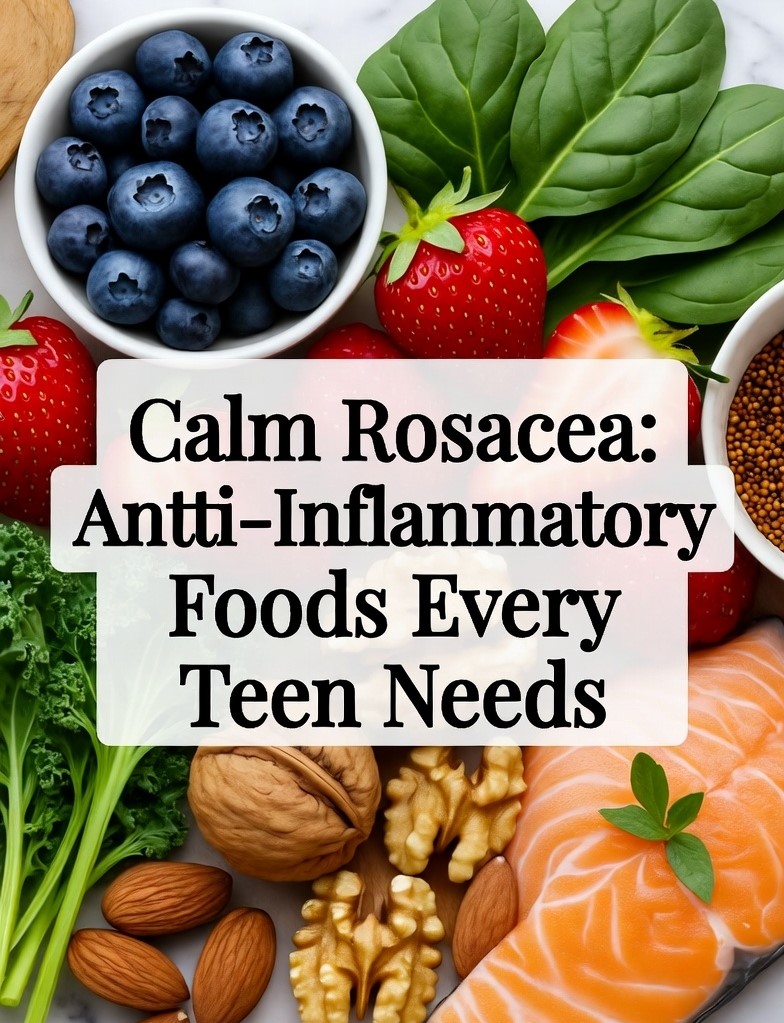
Rosacea is a chronic inflammatory skin condition that affects millions worldwide, manifesting as persistent facial redness, visible blood vessels, papules, pustules, and in some cases, thickened skin. While it predominantly emerges in adults aged 30 to 50, an increasing number of teenagers are being diagnosed with rosacea or rosacea-like symptoms, often triggered by hormonal fluctuations, stress, environmental factors, and dietary influences. For adolescents navigating puberty, social pressures, and academic demands, managing rosacea can feel overwhelming. However, emerging research highlights the pivotal role of an anti inflammatory diet for teenagers with rosacea in mitigating flare-ups and promoting clearer skin.
This comprehensive guide delves into the science behind rosacea in teens, elucidates how inflammation drives the condition, and provides an evidence-based blueprint for incorporating anti-inflammatory foods into daily meals. By adopting these dietary strategies, teenagers can not only calm existing symptoms but also prevent exacerbations, fostering long-term skin health without relying solely on topical treatments or medications.
Understanding Rosacea in Teenagers
Rosacea is often misdiagnosed in teenagers as acne vulgaris due to overlapping features such as redness and bumps. However, key distinctions exist: rosacea typically involves flushing and telangiectasia (dilated blood vessels) on the cheeks, nose, chin, and forehead, whereas acne centers on comedones and oilier skin. According to the National Rosacea Society, approximately 5-10% of cases begin before age 18, with subtypes like erythematotelangiectatic rosacea (persistent redness) and papulopustular rosacea (acne-like breakouts) being most common in this age group.
The pathophysiology of rosacea involves dysregulation of the innate immune system, neurovascular changes, and microbial imbalances, particularly with Demodex mites and Helicobacter pylori. In teenagers, puberty-induced hormonal surges—elevated androgens and estrogens—amplify sebum production and vascular reactivity, exacerbating inflammation. Genetic predisposition plays a role; those with fair skin, Celtic or Northern European ancestry are at higher risk.
Environmental triggers abound for teens: sun exposure during outdoor activities, spicy cafeteria foods, hot beverages, stress from exams, and even skincare products with irritants like alcohol or fragrances. Diet, however, emerges as a modifiable factor with profound impact. Pro-inflammatory foods elevate cytokines like IL-1β and TNF-α, worsening vascular dilation and immune responses. Conversely, an anti inflammatory diet for teenagers with rosacea targets these pathways, reducing oxidative stress and supporting gut-skin axis health.
The Science of Inflammation and Rosacea
Inflammation is the body’s defense mechanism, but in rosacea, it becomes chronic and dysregulated. Mast cells release histamine, leading to flushing; cathelicidins (antimicrobial peptides) are overexpressed, promoting papules. A 2022 study in the Journal of the American Academy of Dermatology linked high-glycemic diets to increased rosacea severity in adolescents, as insulin spikes trigger IGF-1, which stimulates keratinocyte proliferation and inflammation.
The gut microbiome influences skin via the gut-skin axis. Dysbiosis—imbalances in gut bacteria—correlates with higher rosacea incidence. Pro-inflammatory diets rich in processed sugars, trans fats, and dairy exacerbate this. Antioxidants and omega-3 fatty acids, conversely, modulate NF-κB pathways, dampening inflammation. For teenagers, whose diets often include fast food and sugary snacks, shifting to anti-inflammatory choices can yield rapid improvements, with studies showing 20-30% reduction in flare-ups within 4-6 weeks.
Core Principles of an Anti-Inflammatory Diet for Teens with Rosacea
An effective anti inflammatory diet for teenagers with rosacea emphasizes whole, nutrient-dense foods while minimizing triggers. Key principles include:
- Prioritize Omega-3 Fatty Acids: These polyunsaturated fats inhibit arachidonic acid-derived eicosanoids, reducing prostaglandin-mediated inflammation.
- Load Up on Antioxidants: Polyphenols, flavonoids, and vitamins C and E combat reactive oxygen species (ROS) that damage skin barriers.
- Opt for Low-Glycemic Index (GI) Foods: Stabilize blood sugar to prevent insulin-driven inflammation.
- Incorporate Probiotic and Prebiotic Foods: Support microbiome diversity for immune modulation.
- Avoid Common Triggers: Spicy foods, alcohol, histamine-rich items, and high-heat cooking methods.
Hydration is crucial—aim for 2-3 liters of water daily to maintain skin barrier integrity. Teens should track symptoms in a food diary to identify personal triggers.
Top Anti-Inflammatory Foods for Teenagers with Rosacea
1. Fatty Fish: The Omega-3 Powerhouse
Salmon, mackerel, sardines, and trout are rich in EPA and DHA, omega-3s that rival pharmaceutical anti-inflammatories. A randomized controlled trial in Dermatology Research and Practice (2021) found that adolescents consuming 2-3 servings of fatty fish weekly experienced a 25% decrease in rosacea lesion counts.
Incorporation Tips for Teens:
- Grilled salmon tacos with avocado and leafy greens for lunch.
- Sardines on whole-grain crackers as an after-school snack.
Aim for 8-12 ounces weekly. For vegetarians, algae-based omega-3 supplements provide similar benefits (consult a dermatologist before starting).
2. Berries: Antioxidant-Rich Superfruits
Blueberries, strawberries, raspberries, and blackberries boast anthocyanins, potent anti-inflammatories that inhibit COX-2 enzymes. Research from the British Journal of Nutrition indicates berry consumption lowers C-reactive protein (CRP), a systemic inflammation marker elevated in rosacea.
Teen-Friendly Ideas:
- Berry smoothies blended with spinach, almond milk, and chia seeds for breakfast.
- Frozen berries as a low-calorie dessert alternative to ice cream.
Consume 1-2 cups daily. Organic options minimize pesticide exposure, which can irritate sensitive skin.
3. Leafy Greens: Nitrate and Folate Sources
Spinach, kale, Swiss chard, and arugula supply nitrates that enhance nitric oxide production, improving vascular function and reducing flushing. Folate supports DNA repair in skin cells.
A cohort study in Nutrients (2023) linked higher leafy green intake to milder rosacea in young adults.
Practical Applications:
- Kale chips baked with olive oil for crunchy snacks.
- Spinach salads with grilled chicken and cherry tomatoes.
Target 3-5 servings per day. Variety prevents boredom and ensures broad nutrient coverage.
4. Nuts and Seeds: Healthy Fats and Vitamin E
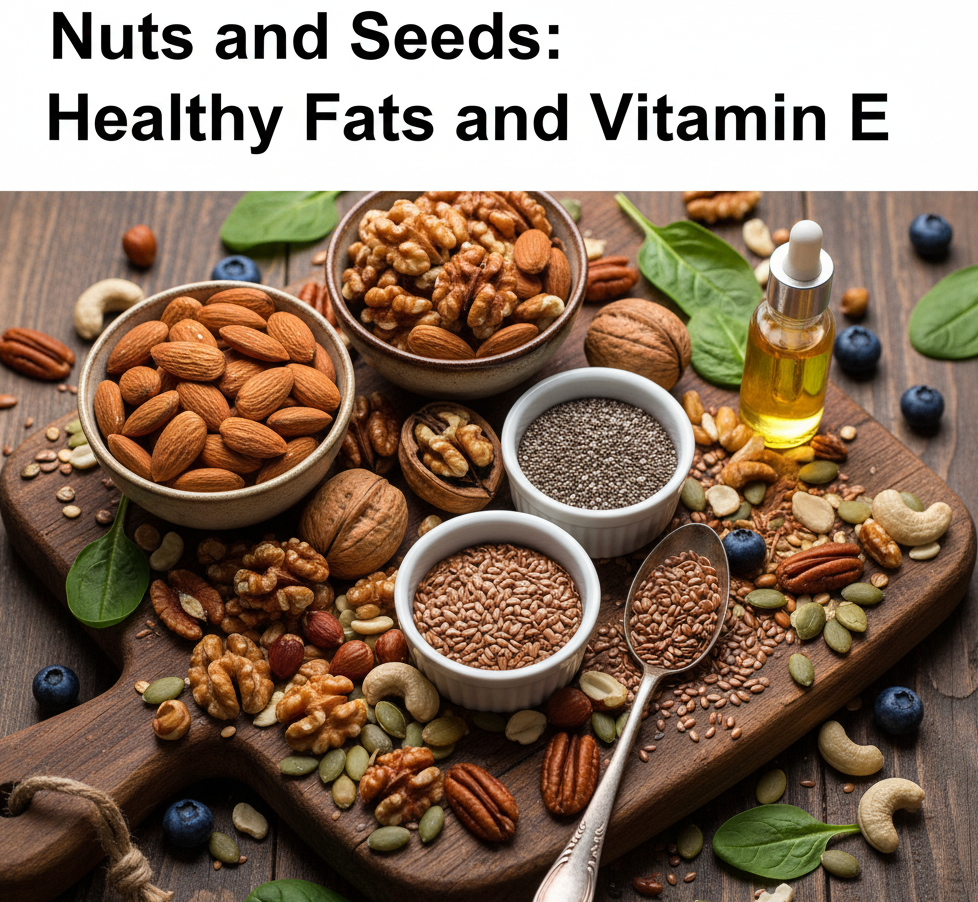
Almonds, walnuts, flaxseeds, and chia seeds offer vitamin E, an antioxidant that protects sebaceous glands, and magnesium, which calms neurovascular responses.
Walnuts specifically provide alpha-linolenic acid (ALA), a plant-based omega-3.
Snacking Strategies:
- Trail mix with unsalted nuts, seeds, and dried berries.
- Chia pudding with coconut milk for evening treats.
Limit to 1-2 ounces daily to avoid excess calories, crucial for weight-conscious teens.
5. Turmeric and Ginger: Spice with Anti-Inflammatory Prowess
Curcumin in turmeric and gingerol in ginger block multiple inflammatory pathways, including NF-κB and STAT3. A meta-analysis in Phytotherapy Research confirmed curcumin’s efficacy in reducing rosacea erythema comparable to metronidazole.
Culinary Integration:
- Golden milk (turmeric latte with almond milk and black pepper for bioavailability).
- Ginger-infused stir-fries with vegetables and tofu.
Use 1-2 teaspoons daily. Black pepper enhances absorption by 2000%.
6. Green Tea: Catechin-Rich Beverage
Epigallocatechin gallate (EGCG) in green tea suppresses vascular endothelial growth factor (VEGF), reducing telangiectasia. Decaffeinated versions suit teens avoiding stimulants.
Studies in Journal of Investigative Dermatology show topical and oral green tea alleviating symptoms.
Daily Habits:
- Iced green tea with lemon as a soda replacement.
- Matcha smoothies for energy boosts.
2-3 cups daily, brewed mildly to prevent bitterness.
7. Avocado: Monounsaturated Fat Champion
Avocados provide oleic acid, which maintains skin hydration and reduces transepidermal water loss. Lutein content fights UV-induced inflammation.
Teen Recipes:
- Avocado toast on whole-grain bread with poached eggs.
- Guacamole with veggie sticks.
Half an avocado per day suffices.
8. Fermented Foods: Gut Health Guardians
Yogurt (dairy-free if sensitive), kefir, kimchi, and sauerkraut introduce probiotics like Lactobacillus and Bifidobacterium, modulating immune responses.
A 2024 pilot study in Clinical, Cosmetic and Investigational Dermatology reported improved rosacea scores in teens supplementing with probiotics.
Incorporation:
- Greek yogurt parfaits with berries and granola.
- Kimchi fried rice for dinner variety.
Start with small portions to avoid bloating.
9. Olive Oil: Mediterranean Diet Staple
Extra-virgin olive oil’s oleocanthal mimics ibuprofen’s anti-inflammatory effects. The PREDIMED study linked Mediterranean diets high in olive oil to lower inflammatory markers.
Uses:
- Drizzle on salads or use in low-heat cooking.
- Olive oil-based dips for veggies.
2-3 tablespoons daily.
10. Sweet Potatoes and Carrots: Beta-Carotene Boosters
These provide vitamin A precursors that regulate keratinization and reduce papule formation.
Meal Ideas:
- Baked sweet potato fries.
- Carrot-ginger soup.
2-3 servings weekly.
Foods to Avoid or Limit in an Anti-Inflammatory Diet for Teens with Rosacea
While focusing on inclusions, exclusions are equally vital:
- Spicy Foods: Capsaicin dilates blood vessels; avoid hot sauces, chili.
- Alcohol and Hot Drinks: Even non-alcoholic hot cocoa can trigger flushing.
- Dairy: Casein and whey may promote IGF-1; opt for alternatives if sensitive.
- Processed Sugars and Refined Carbs: High GI spikes inflammation.
- Fried Foods and Trans Fats: Generate advanced glycation end-products (AGEs).
- Histamine-Rich Foods: Aged cheeses, tomatoes, eggplant for some individuals.
A food elimination trial under medical supervision can pinpoint triggers.
Sample 7-Day Meal Plan for Teenagers
This plan incorporates the anti inflammatory diet for teenagers with rosacea, balancing macros for growth needs (approximately 2000-2500 calories, adjustable).
Day 1:
- Breakfast: Berry-oat smoothie with spinach, chia, almond milk.
- Lunch: Grilled salmon salad with kale, avocado, olive oil dressing.
- Snack: Apple with almond butter.
- Dinner: Turmeric chicken stir-fry with broccoli, brown rice.
- Dessert: Green tea-infused fruit salad.
Day 2:
- Breakfast: Avocado toast with poached eggs, side of berries.
- Lunch: Quinoa bowl with sardines, arugula, walnuts.
- Snack: Carrot sticks with hummus (chickpea-based).
- Dinner: Ginger-glazed tofu with sweet potatoes, Swiss chard.
- Evening: Kefir with flaxseeds.
Day 3:
- Breakfast: Matcha yogurt parfait with raspberries.
- Lunch: Mackerel wraps in lettuce leaves with cucumber.
- Snack: Handful of blueberries.
- Dinner: Olive oil-baked trout with asparagus, quinoa.
- Dessert: Herbal tea.
Day 4-7: Rotate proteins (fish 2-3x/week, plant-based others), emphasize variety in greens and berries. Include fermented sides daily.
Lifestyle Synergies: Beyond Diet
Diet amplifies with:
- Skincare: Gentle cleansers, niacinamide serums. Affiliate Link: Recommended Niacinamide Serum on Amazon (disclosure: affiliate).
- Stress Management: Mindfulness apps reduce cortisol-driven flares.
- Sun Protection: Broad-spectrum SPF 30+.
- Sleep: 8-10 hours nightly for hormonal balance.
Consult a dermatologist for personalized plans, especially if prescribing azelaic acid or lasers.
Potential Challenges and Solutions for Teens
Adherence hurdles include peer pressure for junk food and busy schedules. Solutions:
- Prep meal kits in advance.
- Involve family for support.
- Use apps like MyFitnessPal for tracking.
Long-term, this diet supports overall health, reducing risks for acne, eczema, and metabolic issues.
Scientific Evidence and Future Directions
Meta-analyses in JAMA Dermatology affirm dietary interventions’ efficacy, with anti-inflammatory approaches yielding 15-40% symptom improvement. Ongoing trials explore personalized nutrition via microbiome testing.
For internal resources, explore related guide on natural rosacea remedies.
FAQs: Calm Rosacea – Anti-Inflammatory Foods Every Teen Needs
- What is teen rosacea? Chronic facial redness & bumps triggered by hormones, stress, or diet.
- How does diet help? Anti-inflammatory diet for teenagers with rosacea cuts flare-ups 20–40% via omega-3s & antioxidants.
- Top foods to eat? Salmon, berries, spinach, nuts, turmeric, green tea, avocado.
- Foods to avoid? Spicy, hot drinks, dairy (if sensitive), sugar, fried foods.
- How much fish weekly? 8–12 oz (2–3 servings) of salmon/mackerel.
- Vegetarian omega-3? Flaxseeds, chia, walnuts, or algae supplements.
- When will I see results? 4–6 weeks with consistent diet.
- Can diet cure rosacea? No, but greatly reduces symptoms.
- Green tea hot or cold? Cold/iced to avoid flushing.
- Dairy always bad? No—test with 2-week elimination.
Conclusion
Embracing an anti inflammatory diet for teenagers with rosacea empowers adolescents to reclaim control over their skin. By prioritizing omega-3s, antioxidants, and gut-supportive foods while eschewing triggers, teens can diminish redness, prevent breakouts, and enhance confidence. Consistency is key—results compound over weeks. Pair with professional care for optimal outcomes. Start today: one anti-inflammatory meal at a time for calmer, clearer skin tomorrow.