

Introduction
Binge eating disorder (BED) is a serious condition that affects millions of individuals worldwide, with a notable prevalence among teenagers. Characterized by recurrent episodes of consuming large quantities of food in a short period, often accompanied by feelings of loss of control, guilt, and distress, BED can significantly impair physical health, emotional well-being, and social functioning. For teenagers, who are navigating the complexities of adolescence—including hormonal changes, peer pressure, and academic stress—the disorder can be particularly debilitating, potentially leading to long-term issues such as obesity, diabetes, and mental health disorders like depression or anxiety.
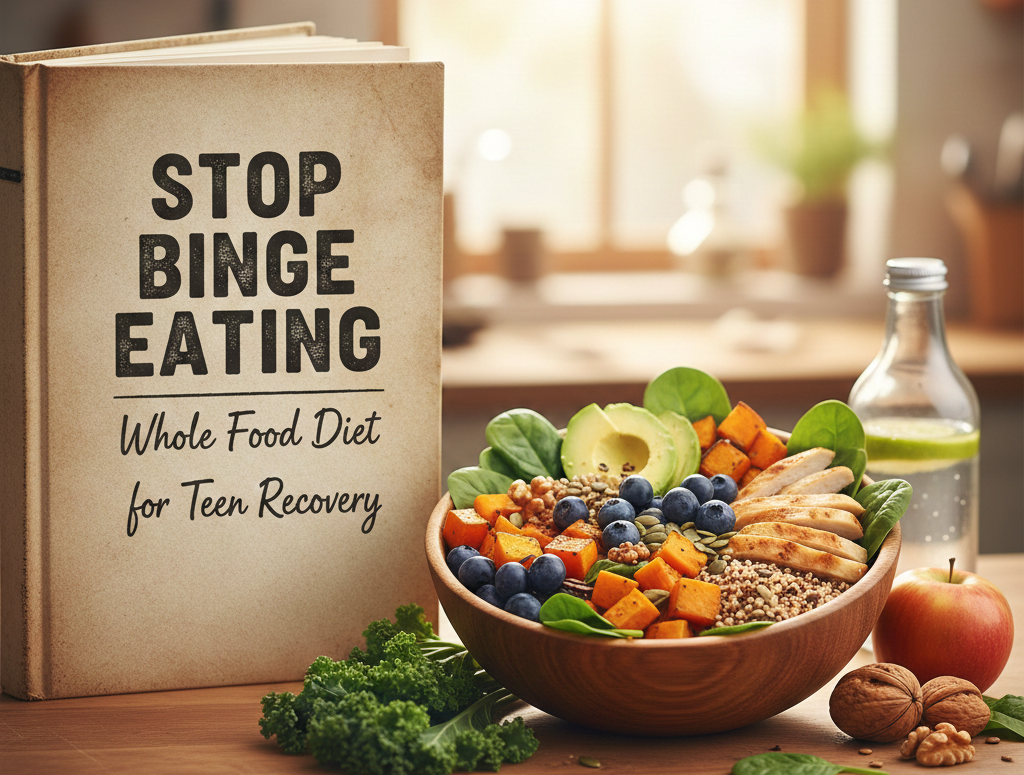
In recent years, nutritional interventions have emerged as a cornerstone of recovery strategies for binge eating. Among these, a whole food diet stands out for its emphasis on nutrient-dense, unprocessed foods that nourish the body and mind. This approach, often referred to as a “whole food diet for teenagers with binge eating,” focuses on real foods—fruits, vegetables, whole grains, lean proteins, and healthy fats—while minimizing or eliminating processed items laden with sugars, artificial additives, and refined carbohydrates. By adopting this dietary framework, teens can rebuild a healthy relationship with food, stabilize blood sugar levels, and reduce the triggers that fuel binge episodes.
This article explores the science behind binge eating in teenagers, the transformative potential of a whole food diet for teenagers with binge eating, practical implementation strategies, sample meal plans, and long-term maintenance tips. Drawing from evidence-based research and clinical insights, we aim to provide actionable, value-driven guidance to empower teens, parents, and caregivers in the journey toward recovery. Whether you’re a teenager struggling with binge eating or a supportive adult seeking effective solutions, understanding and applying a whole food diet can be a game-changer.
Understanding Binge Eating in Teenagers
Binge eating disorder is more than occasional overeating; it is a diagnosable mental health condition recognized in the Diagnostic and Statistical Manual of Mental Disorders (DSM-5). In teenagers, it often manifests during puberty, a time when body image concerns intensify due to media influences and societal expectations. Studies from the National Eating Disorders Association indicate that up to 3.5% of adolescents experience BED, with higher rates among those facing bullying, family stressors, or genetic predispositions.
The cycle of binge eating typically involves emotional triggers such as stress, boredom, or low self-esteem, leading to rapid consumption of high-calorie, comfort foods. Physiologically, this behavior disrupts the body’s natural hunger and satiety signals, often exacerbated by diets high in processed sugars and fats that spike dopamine levels, creating an addictive loop similar to substance use disorders. For teens, irregular meal patterns—skipping breakfast due to school schedules or late-night snacking—can worsen this cycle, leading to nutritional deficiencies that perpetuate mood swings and cravings.
A key factor in teenage binge eating is the brain’s reward system. Research published in the Journal of Adolescent Health highlights how ultra-processed foods hijack the mesolimbic pathway, making it harder for teens to resist impulses. Moreover, hormonal fluctuations during adolescence, including surges in cortisol (the stress hormone), can heighten vulnerability. Without intervention, BED can lead to comorbidities like gastrointestinal issues, sleep disturbances, and impaired cognitive function, all of which hinder academic performance and social interactions.
Addressing binge eating requires a multifaceted approach, but nutrition plays a pivotal role. Transitioning to a whole food diet for teenagers with binge eating helps restore balance by providing steady energy, essential vitamins, and minerals that support brain health and emotional regulation.
The Science Behind Whole Food Diets for Binge Eating Recovery
A whole food diet for teenagers with binge eating prioritizes foods in their natural or minimally processed state, eschewing additives, preservatives, and refined sugars. This dietary philosophy, rooted in principles from the Mediterranean and plant-based eating patterns, has gained traction for its efficacy in managing eating disorders. For teenagers with binge eating, it offers several scientifically backed benefits. https://www.sciencedirect.com/science/article/abs/pii/S0899900720303063
First, whole food diet for teenagers with binge eating foods stabilize blood sugar levels, preventing the crashes that often trigger binges. Processed foods cause rapid spikes in glucose, followed by insulin surges and subsequent lows that intensify hunger. In contrast, fiber-rich whole foods like oats, apples, and leafy greens slow digestion, promoting sustained energy. A study in the American Journal of Clinical Nutrition found that adolescents consuming high-fiber diets reported fewer binge episodes and improved mood stability.
Second, whole food diet for teenagers with binge eating enhance gut health, which is intricately linked to mental well-being via the gut-brain axis. The microbiome, influenced by diet, produces neurotransmitters like serotonin—90% of which is synthesized in the gut. Probiotic-rich whole foods such as yogurt, kefir, and fermented vegetables can alleviate anxiety and depression symptoms associated with BED. Research from the Harvard T.H. Chan School of Public Health underscores how a diverse, plant-based diet fosters beneficial bacteria, reducing inflammation that may contribute to compulsive eating behaviors.
Third, nutrient density in whole food diet for teenagers with binge eating addresses deficiencies common in binge eaters. Teens often lack omega-3 fatty acids, magnesium, and B vitamins, which are crucial for cognitive function and impulse control. Foods like salmon, nuts, seeds, and dark leafy greens supply these nutrients, potentially reducing cravings. A meta-analysis in Appetite journal revealed that omega-3 supplementation, akin to levels in a whole food diet, decreased binge frequency by 25% in young adults.
For teenagers specifically, a whole food diet for teenagers with binge eating supports growth and development without restrictive calorie counting, which can exacerbate disordered eating. It encourages mindful eating, where teens learn to recognize true hunger cues rather than emotional ones. Integrating this diet with therapy, such as cognitive-behavioral therapy (CBT), amplifies outcomes, as evidenced by trials in the International Journal of Eating Disorders.
In essence, a whole food diet for teenagers with binge eating isn’t about deprivation; it’s about abundance—abundant nutrients, flavors, and satisfaction that foster lasting recovery.
Implementing a Whole Food Diet: Step-by-Step Guide

Transitioning to a whole food diet for teenagers with binge eating requires thoughtful planning, especially for busy teenagers. Here’s a structured approach to make it sustainable and effective.
Step 1: Assess and Prepare
Begin by evaluating current eating habits. Keep a food journal for a week, noting binge triggers and patterns. Consult a healthcare professional, such as a registered dietitian specializing in eating disorders, to rule out underlying medical issues and tailor the plan. Stock your kitchen with whole food diet for teenagers with binge eating staples: fresh produce, whole grains (quinoa, brown rice), proteins (chicken, eggs, legumes), and healthy fats (avocados, olive oil). Remove tempting processed items to minimize environmental cues.
Step 2: Build Balanced Meals
Aim for meals that incorporate the plate method: half vegetables, a quarter whole food diet for teenagers with binge eating grains, and a quarter protein, with healthy fats sprinkled in. This ensures satiety and nutrient balance. For breakfast, opt for oatmeal with berries and nuts instead of sugary cereals. Lunches could include salads with grilled chicken and vinaigrette. Dinners might feature stir-fried veggies with tofu or fish.
Incorporate snacks mindfully—apple slices with almond butter or carrot sticks with hummus—to prevent hunger buildup. Hydration is key; aim for 8-10 glasses of water daily, as thirst is often mistaken for hunger.
Step 3: Address Emotional Eating
Pair dietary changes with coping strategies. Practice mindfulness techniques, like deep breathing or journaling, during cravings. Engage in physical activity—walking, yoga, or team sports—to boost endorphins naturally. Family involvement is crucial; shared meals can normalize eating and provide support.
Step 4: Monitor Progress and Adjust
Track improvements in energy, mood, and binge frequency. If challenges arise, such as social events, plan ahead with whole food diet for teenagers with binge eating alternatives. Gradual changes prevent overwhelm; start by swapping one meal per day.
By following these steps, teenagers can seamlessly integrate a whole food diet for teenagers with binge eating into their routine, paving the way for recovery.
Sample Meal Plans for Teenagers
To illustrate practicality, here are three-day sample meal plans tailored for a whole food diet for teenagers with binge eating. Each day provides approximately 2,000-2,500 calories, adjustable based on activity level and gender. Focus on variety to maintain interest and nutritional completeness.
Day 1: Energizing Start

- Breakfast: Greek yogurt parfait with mixed berries, chia seeds, and a handful of walnuts (high in protein and omega-3s for brain health).
- Snack: Sliced cucumber with tahini dip.
- Lunch: Quinoa salad with cherry tomatoes, feta cheese, olives, and lemon dressing.
- Snack: Banana with a sprinkle of cinnamon.
- Dinner: Baked salmon with steamed broccoli and sweet potato.
- Dessert (optional): Dark chocolate square (70% cocoa) for a controlled treat.
Day 2: Plant-Powered Focus

- Breakfast: Smoothie bowl with spinach, banana, almond milk, and peanut butter.
- Snack: Handful of mixed nuts (almonds, cashews).
- Lunch: Lentil soup with whole grain bread and a side salad.
- Snack: Pear with cottage cheese.
- Dinner: Stir-fried tofu with bell peppers, zucchini, and brown rice.
- Dessert: Fresh fruit salad.
Day 3: Balanced Recovery

- Breakfast: Whole grain toast with avocado, poached eggs, and spinach.
- Snack: Celery sticks with hummus.
- Lunch: Turkey wrap using lettuce leaves, with tomatoes, cucumber, and mustard.
- Snack: Apple with cheese slices.
- Dinner: Grilled chicken breast with quinoa pilaf and asparagus.
- Dessert: Herbal tea with a few dates.
These plans emphasize whole food diet for teenagers with binge eating to curb cravings while being teen-friendly—quick to prepare and portable for school.
Overcoming Challenges and Common Pitfalls
Adopting a whole food diet for teenagers with binge eating isn’t without hurdles. Social pressures, such as fast-food outings with friends, can tempt deviations. Counter this by suggesting group activities around healthy eating, like picnics with homemade salads.
Another challenge is time constraints. Batch cooking on weekends—prepping veggies or grains—saves effort during the week. whole food diet for teenagers with binge eating For picky eaters, introduce new foods gradually, perhaps blending them into familiar dishes.
Emotional setbacks, like a binge relapse, are normal. whole food diet for teenagers with binge eating View them as learning opportunities rather than failures. Seek support from online communities or apps like MyFitnessPal for tracking without obsession.
Nutritionally, ensure adequate calories to support growth; under-eating can trigger binges. Supplement if needed—vitamin D for bone health or iron for energy—but only under medical guidance.
Long-Term Maintenance and Lifestyle Integration
Sustaining a whole food diet for teenagers with binge eating requires shifting from diet to lifestyle. Educate on label reading to identify hidden sugars. Encourage cooking classes or family involvement to build skills and enjoyment.
Incorporate variety to prevent boredom; explore ethnic cuisines using whole food diet for teenagers with binge eating ingredients, like Mexican salads or Asian stir-fries. Regular check-ins with therapists reinforce psychological resilience.
Research from the Eating Disorders Review suggests that long-term adherence to whole food diet for teenagers with binge eating correlates with 70% reduction in binge episodes after one year. Celebrate milestones, like a binge-free month, with non-food rewards.
Frequently Asked Questions: Stop Binge Eating with a Whole Food Diet for Teen Recovery
1. What exactly is a whole food diet, and how does it differ from other diets for teens with binge eating?
A whole food diet for teenagers with binge eating emphasizes minimally processed, nutrient-dense foods such as fruits, vegetables, whole grains, legumes, nuts, seeds, and lean proteins in their natural form. It avoids refined sugars, artificial additives, and ultra-processed items. Unlike restrictive diets that can trigger binge cycles through deprivation, this approach promotes abundance and satiety without calorie counting, making it suitable for teenagers in recovery from binge eating disorder (BED).
2. Can a whole food diet really help stop binge eating in teenagers?
Yes, research supports its effectiveness. whole food diet for teenagers with binge eating stabilize blood sugar levels, improve gut-brain axis function, and provide essential nutrients that regulate mood and impulses. Studies show that high-fiber, nutrient-rich diets reduce binge episodes by promoting fullness and decreasing cravings driven by processed foods.
Nutrition and Healthy Eating | SNAP-Ed
3. Is a whole food diet safe for growing teenagers?
Absolutely, when balanced properly. It supports growth by supplying ample calories, proteins, vitamins, and minerals needed during adolescence. whole food diet for teenagers with binge eating Teens should include a variety of food groups to meet energy demands, and consulting a dietitian ensures nutritional completeness without restrictions that could worsen disordered eating.
4. How long does it take to see results from switching to a whole food diet for binge eating recovery?
Improvements can begin within weeks, such as stabilized energy and reduced cravings, but significant reduction in binge episodes often occurs over 3-12 months with consistent adherence and therapeutic support. whole food diet for teenagers with binge eating Individual results vary based on factors like therapy integration and underlying triggers.
5. What if my teen is a picky eater or resists changing their diet?
Start gradually—introduce one new whole food diet for teenagers with binge eating per meal or swap processed snacks for appealing options like fruit with nut butter. Involve them in meal planning and preparation to build ownership. Family support and professional guidance from a therapist or dietitian can ease resistance.
6. Do teenagers need to eliminate all processed foods and treats completely?
No strict elimination is required; moderation is key to avoid triggering restriction-binge cycles. Focus on crowding out processed items with satisfying whole food diet for teenagers with binge eating, allowing occasional treats mindfully to foster a healthy food relationship.
7. Can a whole food diet be combined with therapy for binge eating?
Yes, it’s highly recommended. Nutritional changes work best alongside cognitive-behavioral therapy (CBT), which addresses emotional triggers. A multidisciplinary team—including a therapist, dietitian, and doctor—provides comprehensive recovery support.
MyPlate.gov | Nutrition Information for Teens
8. What are common challenges when starting this diet, and how to overcome them?
Challenges include social pressures, time constraints, and initial cravings. Overcome them by planning portable meals, batch cooking, and preparing whole food alternatives for outings. View relapses as learning opportunities and seek support networks.
9. Should supplements be used on a whole food diet for teens recovering from BED?
Generally, a varied whole food diet for teenagers with binge eating meets needs, but some teens may require supplements (e.g., omega-3s or vitamin D) if deficiencies exist. Always consult a healthcare professional for personalized testing and recommendations.
10. Is it possible to maintain a whole food diet long-term as a teenager?
Yes, by viewing it as a sustainable lifestyle rather than a temporary diet. Build habits around enjoyable foods, variety, and flexibility. Long-term studies indicate sustained whole food eating significantly lowers binge recurrence while enhancing overall well-being.
Conclusion
Binge eating disorder can cast a long shadow over adolescence, impacting physical health, emotional resilience, and overall quality of life. However, recovery is not only possible—it is achievable through evidence-based strategies that address both the physiological and psychological roots of the condition. A whole food diet for teenagers with binge eating emerges as a powerful, sustainable tool in this journey, offering nutrient-dense foods that stabilize blood sugar, support gut health, enhance mood regulation, and rebuild a positive relationship with eating.
By prioritizing fruits, vegetables, whole grains, lean proteins, and healthy fats, teenagers can experience reduced cravings, greater satiety, and improved impulse control—benefits backed by nutritional science and clinical observations. This approach moves beyond restriction, embracing abundance and variety to foster long-term healing without the risks of yo-yo dieting.