

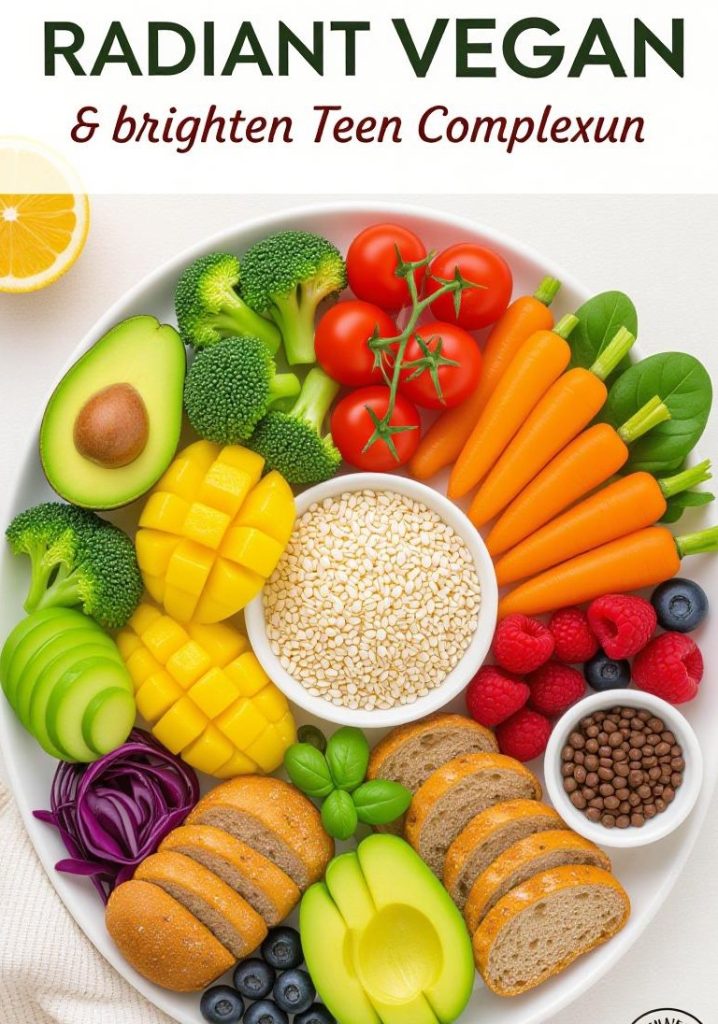
Achieving a radiant, healthy complexion is a common goal for teenagers, but dull skin can often feel like an obstacle. Factors such as hormonal changes, stress, poor diet, and environmental pollutants can contribute to lackluster skin. For teenagers seeking a natural, sustainable solution, adopting a vegan diet offers a powerful way to nourish the skin from within. A vegan diet, rich in plant-based nutrients, can address the root causes of dull skin while promoting overall health. This article explores the science behind how a vegan diet can enhance teen complexion, highlights key foods to include, and provides practical tips for incorporating them into daily life.
Vegan Diet for Radiant Teen Skin offers a natural and powerful approach to achieving a healthy, glowing complexion during adolescence. Teenagers often struggle with dull or uneven skin due to hormonal changes, stress, poor diet, and environmental pollutants. A well-balanced vegan diet, rich in antioxidants, vitamins, and plant-based nutrients, can help combat these issues by nourishing the skin from within. By focusing on whole foods like leafy greens, berries, nuts, and legumes, teenagers can enhance their skin’s brightness, improve hydration, and promote overall wellness. This article explores how a vegan diet supports teen skin health, highlights essential foods to include, and shares practical tips for making the transition easier and effective.
Understanding Dull Skin in Teenagers
Dull skin is characterized by a lack of vibrancy, uneven tone, dryness, or a tired appearance. For teenagers, this can be particularly frustrating as adolescence is a time of significant physical and hormonal changes. Common contributors to dull skin include:
- Hormonal Fluctuations: Puberty triggers increased sebum production, which can clog pores and dull the complexion.
- Poor Nutrition: Diets high in processed foods, sugars, and unhealthy fats can deprive the skin of essential nutrients.
- Dehydration: Inadequate water intake can lead to dry, flaky skin that lacks glow.
- Environmental Stressors: Pollution, UV exposure, and harsh skincare products can damage the skin barrier.
- Stress and Sleep Deprivation: Academic pressures and irregular sleep patterns can exacerbate skin issues.
A vegan diet, when thoughtfully planned, provides a wealth of vitamins, minerals, antioxidants, and healthy fats that combat these issues, promoting a brighter, clearer complexion.
Vegan Diet for Radiant Teen Skin: A Natural Path to Glow from Within. Why a Vegan Diet Works for Teen Skin Pimple-Free Promise: Plant-Based Eating for Teens
A vegan diet eliminates animal products, focusing instead on plant-based foods like fruits, vegetables, nuts, seeds, legumes, and whole grains. These foods are naturally rich in nutrients that support skin health, including:
- Antioxidants: Vitamins C, E, and A, along with phytonutrients, neutralize free radicals that damage skin cells.
- Healthy Fats: Omega-3 fatty acids and monounsaturated fats hydrate the skin and reduce inflammation.
- Fiber: Supports gut health, which is closely linked to skin clarity.
- Hydrating Nutrients: Water-rich fruits and vegetables keep the skin plump and moisturized.
- Low Inflammatory Load: Plant-based diets are naturally anti-inflammatory, reducing redness and acne.
Scientific studies support the link between diet and skin health. A 2019 study published in The Journal of Clinical and Aesthetic Dermatology found that diets high in fruits, vegetables, and whole grains correlate with reduced acne severity, while processed foods exacerbate skin issues. By focusing on nutrient-dense vegan foods, teenagers can address dull skin holistically.
Key Vegan Foods for a Radiant Teen Complexion
To achieve a glowing complexion, teenagers should prioritize the following vegan foods, each packed with skin-enhancing nutrients.
1. Leafy Greens (Spinach, Kale, Swiss Chard)
Leafy greens are powerhouses of vitamins A, C, and K, as well as folate and iron. Vitamin A regulates sebum production, preventing clogged pores, while vitamin C boosts collagen production for firm, youthful skin. Iron supports oxygen delivery to skin cells, enhancing radiance. A 2020 study in Nutrients highlighted that leafy greens reduce oxidative stress, a key factor in dull skin.
How to Include: Add spinach to smoothies, make kale chips as a snack, or toss Swiss chard into stir-fries.
2. Berries (Blueberries, Strawberries, Raspberries)
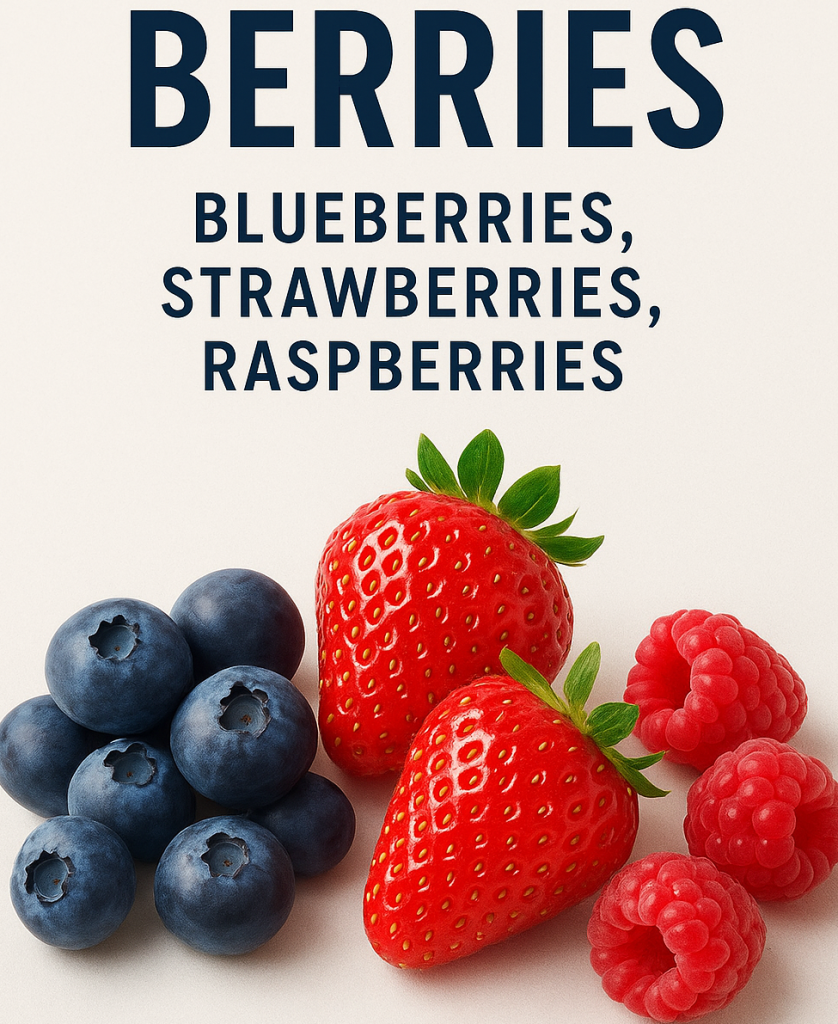
Berries are rich in antioxidants, particularly anthocyanins and vitamin C, which protect the skin from environmental damage and promote collagen synthesis. Their high water content also aids hydration, giving the skin a dewy glow.
How to Include: Blend berries into morning smoothies, top oatmeal with fresh strawberries, or snack on frozen blueberries.
3. Nuts and Seeds (Almonds, Walnuts, Chia Seeds, Flaxseeds)
Nuts and seeds https://www.eufic.org/en/healthy-living/article/the-health-benefits-of-regularly-eating-nuts-and-seeds provide healthy fats, including omega-3s, which reduce inflammation and keep the skin supple. Walnuts and flaxseeds are particularly high in alpha-linolenic acid (ALA), a plant-based omega-3. Zinc, found in pumpkin seeds, supports skin repair and reduces acne.
How to Include: Sprinkle chia seeds on yogurt, add walnuts to salads, or blend almonds into homemade nut butter.
4. Avocados
Avocados are a rich source of monounsaturated fats, vitamin E, and biotin, all of which hydrate the skin and strengthen the skin barrier. Their creamy texture also makes them a versatile addition to a teen’s diet.
How to Include: Spread avocado on whole-grain toast, blend into smoothies, or use as a base for vegan salad dressings.
5. Sweet Potatoes
Sweet potatoes are loaded with beta-carotene, a precursor to vitamin A, which promotes cell turnover and a smooth complexion. Their anti-inflammatory properties also help calm acne-prone skin.
How to Include: Bake sweet potato fries, mash them as a side dish, or add to vegan soups.
6. Legumes (Lentils, Chickpeas, Black Beans)
Legumes are rich in protein, fiber, and zinc, all of which support skin repair and gut health. A healthy gut microbiome is essential for clear skin, as imbalances can trigger inflammation and acne.
How to Include: Make lentil soup, roast chickpeas for a crunchy snack, or prepare black bean tacos.
7. Citrus Fruits (Oranges, Lemons, Grapefruits)
Citrus fruits are packed with vitamin C, a critical nutrient for collagen production and skin repair. They also have a high water content, aiding hydration.
How to Include: Drink warm lemon water in the morning, snack on oranges, or add grapefruit segments to salads.
8. Whole Grains (Quinoa, Brown Rice, Oats)
Whole grains provide B vitamins, which regulate oil production and reduce redness. Their fiber content supports digestion, indirectly benefiting the skin.
How to Include: Cook quinoa for grain bowls, prepare oatmeal for breakfast, or use brown rice in stir-fries.
Building a Balanced Vegan Diet for Teenagers
While the foods above are excellent for skin health, a balanced vegan diet is essential to ensure teenagers meet their nutritional needs. Adolescence is a critical growth period, and deficiencies in key nutrients like vitamin B12, iron, or omega-3s can affect overall health. Here’s how to create a well-rounded vegan diet:
- Protein: Combine legumes, tofu, tempeh, and seitan to meet daily protein needs (0.85g per kg of body weight for teens, per the National Academy of Medicine).
- Iron: Pair iron-rich foods (lentils, spinach) with vitamin C sources (bell peppers, oranges) to enhance absorption.
- Vitamin B12: Take a supplement or consume fortified foods like plant-based milk or nutritional yeast, as B12 is not naturally found in plant foods.
- Omega-3s: Include flaxseeds, chia seeds, or algae-based DHA supplements to support skin and brain health.
- Calcium and Vitamin D: Choose fortified plant milks, leafy greens, and sunlight exposure or supplements for bone and skin health.
Consulting a registered dietitian can help tailor a vegan diet to a teenager’s specific needs. For reliable guidance, visit The Vegan Society for evidence-based resources on vegan nutrition.
Practical Tips for Teens Adopting a Vegan Diet
Transitioning to a vegan diet can feel overwhelming, especially for teenagers balancing school, social life, and family expectations. Here are actionable tips to make the process enjoyable and sustainable:
- Start Gradually: Begin with “Meatless Mondays” or swap one meal a day with vegan options to ease into the diet.
- Plan Meals: Prepare a weekly meal plan to ensure variety and nutrient balance. Websites like Minimalist Baker offer teen-friendly vegan recipes.
- Snack Smart: Keep portable snacks like trail mix, hummus with veggies, or fruit to avoid processed junk food.
- Stay Hydrated: Drink at least 8–10 cups of water daily to keep skin hydrated and flush out toxins.
- Read Labels: Check for hidden animal-derived ingredients like gelatin or dairy in packaged foods.
- Involve Friends and Family: Share vegan meals with peers or cook with family to build support and make it fun.
- Experiment with Skincare: Complement a vegan diet with a gentle, vegan-friendly skincare routine. Brands like The Ordinary offer affordable, cruelty-free products suitable for teens.
Addressing Common Concerns
Teenagers and parents may have concerns about adopting a vegan diet. Here are answers to common questions:
- Will a vegan diet provide enough nutrients? Yes, with proper planning, a vegan diet meets all nutritional needs. Focus on variety and consider supplements for B12 and omega-3s.
- Can it help with acne? Plant-based diets reduce inflammation and dairy intake, a known acne trigger, according to a 2021 study in Dermatology Online Journal.
- Is it expensive? Staples like beans, rice, and seasonal produce are budget-friendly. Buying in bulk and cooking at home can save money.
For further reading, explore NutritionFacts.org for science-backed insights on plant-based diets.
Sample Vegan Meal Plan for Radiant Skin
Here’s a one-day meal plan designed for teenagers to promote glowing skin:
- Breakfast: Smoothie with spinach, frozen berries, banana, chia seeds, and almond milk.
- Snack: Handful of almonds and an orange.
- Lunch: Quinoa bowl with roasted chickpeas, avocado, kale, and a tahini-lemon dressing.
- Snack: Carrot sticks with hummus.
- Dinner: Lentil and sweet potato curry served with brown rice and steamed broccoli.
- Dessert: Fresh strawberries with a sprinkle of pumpkin seeds.
This plan incorporates skin-friendly foods while ensuring a balance of macronutrients and micronutrients.
Lifestyle Factors to Enhance Skin Glow
While a vegan diet is a cornerstone of radiant skin, other lifestyle habits play a role:
- Sleep: Aim for 8–10 hours of sleep nightly to allow skin cells to repair.
- Exercise: Regular physical activity boosts circulation, delivering oxygen and nutrients to the skin.
- Skincare Routine: Use a gentle cleanser, moisturizer, and sunscreen daily. Avoid harsh products that strip the skin’s natural oils.
- Stress Management: Practice mindfulness or yoga to reduce cortisol levels, which can trigger breakouts.
Conclusion
A vegan diet offers teenagers a natural, effective way to combat dull skin and achieve a radiant complexion. By prioritizing nutrient-dense foods like leafy greens, berries, nuts, and legumes, teens can nourish their skin from within while supporting overall health. With thoughtful planning, practical meal prep, and complementary lifestyle habits, a vegan diet can transform not only the skin but also energy levels and confidence. Start small, experiment with delicious recipes, and consult trusted resources to make the transition seamless. For personalized advice, consider booking a session with a vegan nutritionist via HappyCow or exploring vegan communities on X for inspiration.