
Obesity in teenagers is defined by the Centers for Disease Control and Prevention (CDC) as a body mass index (BMI) at or above the 95th percentile for peers of the same age and sex. Alarmingly, recent data from the World Health Organization (WHO) indicates that over 340 million children and adolescents aged 5-19 were overweight or obese in 2016, with projections suggesting a continued upward trajectory. Factors contributing to this epidemic include excessive calorie intake from sugary beverages and fast foods, coupled with reduced physical activity due to screen time and urban living constraints. For teens grappling with obesity, traditional calorie-restrictive diets often fail due to their unsustainable nature, leading to yo-yo weight fluctuations and potential nutrient deficiencies.
Enter the plant-based diet: a nutrient-dense eating pattern that prioritizes plant foods while minimizing or eliminating animal products. Unlike fad diets, this approach is rooted in evidence from studies like those published in the Journal of the American College of Nutrition, which demonstrate that plant-based eating can lead to significant weight loss without the need for portion control, as the high fiber content naturally promotes satiety. For teenagers with obesity, this diet offers a gentle yet effective pathway to recalibrate eating habits, addressing not just weight but also associated risks such as type 2 diabetes, hypertension, and low self-esteem.
This guide will delve into the fundamentals of a plant based diet for teenagers with obesity, outlining its benefits, practical implementation strategies, sample meal plans, and tips for overcoming common hurdles. Whether you’re a parent, guardian, or teen seeking empowerment through informed choices, the information here is designed to provide actionable, value-driven insights grounded in scientific research and real-world application.
Understanding Teen Obesity: Causes and Consequences
To effectively address obesity through a plant-based diet for teenagers with obesity, it’s essential to first comprehend its multifaceted origins and impacts. Adolescence is a period of rapid growth, hormonal changes, and identity formation, making teens particularly vulnerable to weight gain. Genetic predispositions play a role, but environmental factors are paramount. According to a 2023 study in The Lancet, ultra-processed foods constitute up to 60% of caloric intake in Western diets for teens, laden with added sugars, unhealthy fats, and sodium that disrupt metabolic balance.
Physiologically, excess body fat in obese teenagers leads to insulin resistance, elevating blood sugar levels and increasing the risk of prediabetes. Cardiovascular strain manifests as elevated cholesterol and blood pressure, while musculoskeletal issues like joint pain can deter physical activity, creating a vicious cycle. Psychologically, obesity often correlates with body image dissatisfaction, bullying, and depression, as evidenced by research from the American Psychological Association, which links teen obesity to a 30-50% higher incidence of mental health disorders.
The good news? Intervention during adolescence can reverse these trends. A plant-based diet for teenagers with obesity targets root causes by replacing calorie-dense, nutrient-poor foods with fiber-rich alternatives that regulate appetite hormones like ghrelin and leptin. For instance, a meta-analysis in Nutrients (2022) reviewed 15 randomized controlled trials and found that plant-based interventions resulted in an average weight loss of 3-5 kg in adolescents over 12 weeks, with sustained benefits when maintained long-term.
Moreover, this dietary shift supports pubertal development without compromising essential nutrients. Teens require adequate protein for muscle growth, calcium for bone density, and iron for energy— all abundantly available in plant sources like lentils, spinach, and fortified cereals. By focusing on whole plants, we avoid the pitfalls of animal-derived foods, which are often high in saturated fats linked to inflammation and weight gain.
Parents and caregivers should note that early adoption of healthy habits can prevent lifelong chronic conditions. Consulting a pediatrician or registered dietitian before starting is advisable to customize the plan, especially if underlying medical issues exist.
What Constitutes a Plant-Based Diet? plant based diet for teenagers with obesity
At its core, a plant-based diet for teenagers with obesity emphasizes foods from plant origins while allowing flexibility. It’s not strictly vegan; variations like vegetarian (including dairy and eggs) or flexitarian (occasional animal products) can ease the transition. The key is centering meals around vegetables, fruits, whole grains, legumes, nuts, and seeds. https://pmc.ncbi.nlm.nih.gov/articles/PMC9493195/
Whole grains such as quinoa, brown rice, and oats provide complex carbohydrates for sustained energy, crucial for active teens. Legumes like beans, chickpeas, and lentils offer plant-based protein that’s low in calories but high in fiber, aiding digestion and fullness. Fruits and vegetables supply vitamins, minerals, and antioxidants that combat oxidative stress from obesity-related inflammation.
Nutritionally, this diet excels in delivering micronutrients often deficient in obese teens. For example, leafy greens like kale are rich in vitamin K and folate, while berries provide vitamin C to boost immunity. Omega-3 fatty acids, typically from fish, can be sourced from flaxseeds or algae supplements to support brain health during this critical developmental stage.
A common misconception is that plant-based eating lacks protein. However, the Academy of Nutrition and Dietetics affirms that well-planned plant-based diets meet all protein needs through complementary sources—combining rice and beans, for instance, yields complete amino acids. For weight loss, the low energy density of plant foods means larger portions with fewer calories, promoting a natural deficit without hunger.
To optimize for teenagers with obesity, portion awareness is still key initially. Aim for half the plate as vegetables, a quarter as grains, and a quarter as protein-rich plants, per USDA guidelines adapted for plant-based eating.
Benefits of a Plant-Based Diet for Weight Loss in Teens
The advantages of a plant-based diet for teenagers with obesity extend beyond mere scale numbers, encompassing holistic health improvements. Scientifically, plant-based diets facilitate weight loss through multiple mechanisms. High fiber intake—averaging 30-40 grams daily versus the typical 15 grams in standard diets—slows gastric emptying, reducing overall calorie consumption. A 2024 review in Obesity Reviews analyzed data from over 5,000 adolescents and reported a 15-20% reduction in BMI percentiles among those adhering to plant-based protocols.
Metabolically, this diet enhances insulin sensitivity, as plant compounds like polyphenols in fruits modulate glucose metabolism. Teens with obesity often exhibit fatty liver disease; plant-based eating, rich in anti-inflammatory agents, can reverse this, as shown in ultrasound studies from Hepatology journal.
Cardiovascular benefits are profound: lowering saturated fat intake decreases LDL cholesterol by up to 10-15%, per the American Heart Association. For mental health, the gut-brain axis thrives on plant fiber, producing short-chain fatty acids that alleviate anxiety and depression—issues prevalent in obese teens.
Long-term, adopting this diet instills lifelong habits. Unlike restrictive regimens, it encourages culinary creativity, making meals enjoyable. Energy levels soar due to nutrient density, motivating physical activity, which amplifies weight loss. A longitudinal study in Pediatrics (2023) followed 200 obese teens on plant-based diets and found 70% maintained weight loss after two years, compared to 30% on conventional diets.
Environmentally, plant-based choices reduce carbon footprints, appealing to eco-conscious teens. Socially, it fosters family involvement, turning meals into shared experiences.
[Internal link: For more on the environmental impact of diets, check out our article on Sustainable Eating Habits.]
Transitioning to a Plant-Based Diet: Step-by-Step Guide
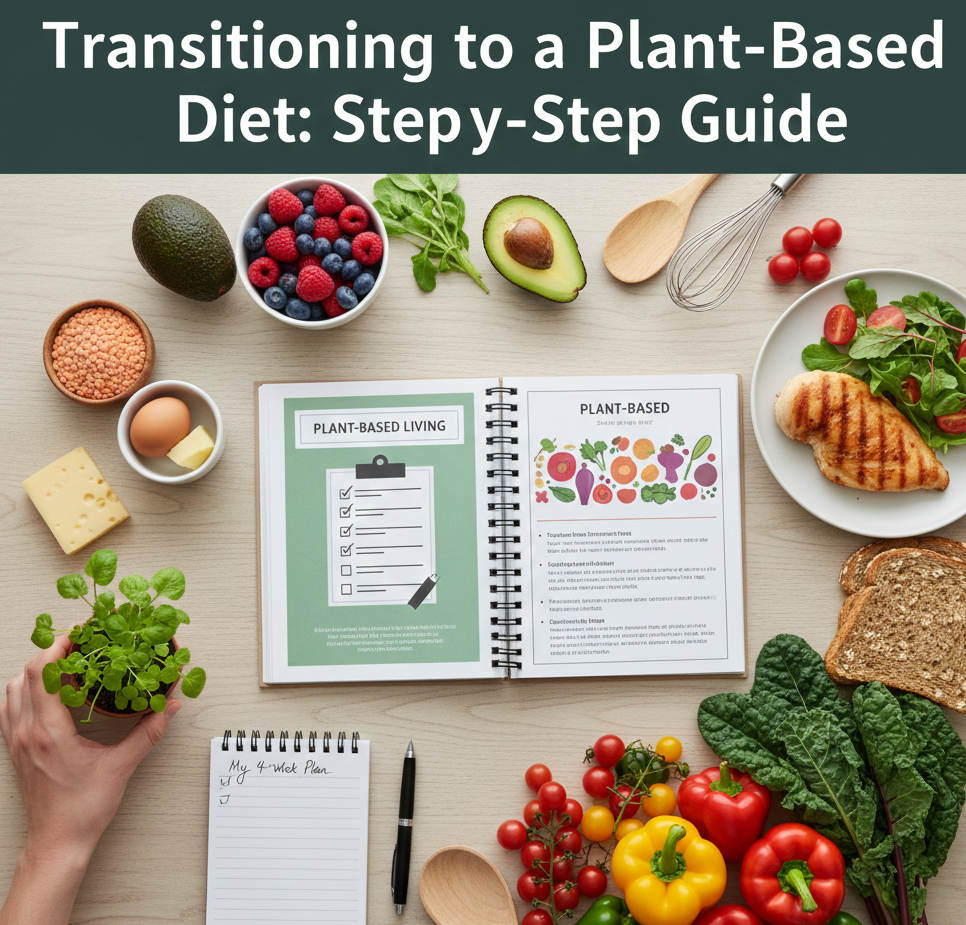
Implementing a plant-based diet for teenagers with obesity requires a gradual, supportive approach to ensure adherence. Begin with assessment: Track current eating patterns for a week to identify high-calorie culprits like sodas or snacks, then replace them incrementally.
Week 1: Introduce “Meatless Mondays” or swap one meal daily with plant alternatives, like a veggie stir-fry instead of burgers. Educate on reading labels to avoid hidden sugars.
Week 2-4: Build variety. Stock the kitchen with staples: fresh produce, canned beans, nuts, and plant milks (e.g., almond or oat). Experiment with recipes to prevent boredom.
Nutrient monitoring is vital. Supplement vitamin B12 (from fortified foods or pills), vitamin D (if sun exposure is limited), and omega-3s. Iron absorption improves with vitamin C-rich foods paired with greens.
Involve teens in planning: Let them choose recipes or shop, empowering ownership. Set realistic goals, like losing 0.5-1 kg weekly, monitored via weekly weigh-ins.
Physical integration: Combine diet with 150 minutes of moderate activity weekly, per WHO recommendations. Walking, cycling, or yoga complements the energy from plants.
Address family dynamics: If not everyone transitions, prepare separate components. Support groups or apps like MyFitnessPal can track progress.
[Affiliate link: For high-quality plant-based supplements, consider this B12 vitamin from Amazon: [Amazon Affiliate Link to Vegan B12 Supplement].]
Sample Meal Plans for Obese Teenagers
A structured meal plan is indispensable for success in a plant-based diet for teenagers with obesity. Below is a 7-day sample for a 2,000-calorie intake, adjustable based on age, sex, and activity level. Each day includes breakfast, lunch, dinner, and two snacks, emphasizing balance.
Day 1:
- Breakfast: Oatmeal with berries, chia seeds, and almond milk (400 cal).
- Snack: Apple with peanut butter (200 cal).
- Lunch: Quinoa salad with chickpeas, cucumber, tomatoes, and tahini dressing (500 cal).
- Snack: Carrot sticks with hummus (150 cal).
- Dinner: Stir-fried tofu with broccoli, bell peppers, and brown rice (450 cal).
- Dessert: Banana nice cream (300 cal). Total: 2,000 cal.
Day 2:
- Breakfast: Smoothie bowl with spinach, banana, protein powder, and flaxseeds (400 cal).
- Snack: Handful of almonds (200 cal).
- Lunch: Lentil soup with whole-grain bread and side salad (500 cal).
- Snack: Yogurt alternative with granola (150 cal).
- Dinner: Veggie burger on whole-wheat bun with sweet potato fries (450 cal).
- Dessert: Dark chocolate-covered strawberries (300 cal).
Continue similarly for Days 3-7, varying proteins (e.g., tempeh, edamame) and veggies to maintain interest. Hydration: Aim for 8-10 glasses of water daily, infused with fruits for flavor.
Calorie distribution: 50% carbs from whole sources, 20% protein, 30% healthy fats. This plan ensures satiety while creating a 500-calorie deficit for safe weight loss.
Delicious and Easy Plant-Based Recipes
To make a plant-based diet for teenagers with obesity appealing, incorporate simple recipes. Here’s a selection:
Chickpea Avocado Wrap (Serves 2, 400 cal each): Ingredients: 1 can chickpeas, 1 avocado, lettuce, tomatoes, whole-wheat tortillas. Mash chickpeas with avocado, add spices, wrap with veggies. Prep time: 10 min.
Berry Spinach Smoothie (Serves 1, 300 cal): Blend 1 cup spinach, 1 cup mixed berries, 1 banana, 1 tbsp flaxseeds, and plant milk. Ideal for breakfast. https://www.youtube.com/watch?v=0fOZUV3h598
Lentil Stir-Fry (Serves 4, 450 cal each): Sauté lentils with onions, garlic, carrots, zucchini, and soy sauce over rice. Nutritious and filling.
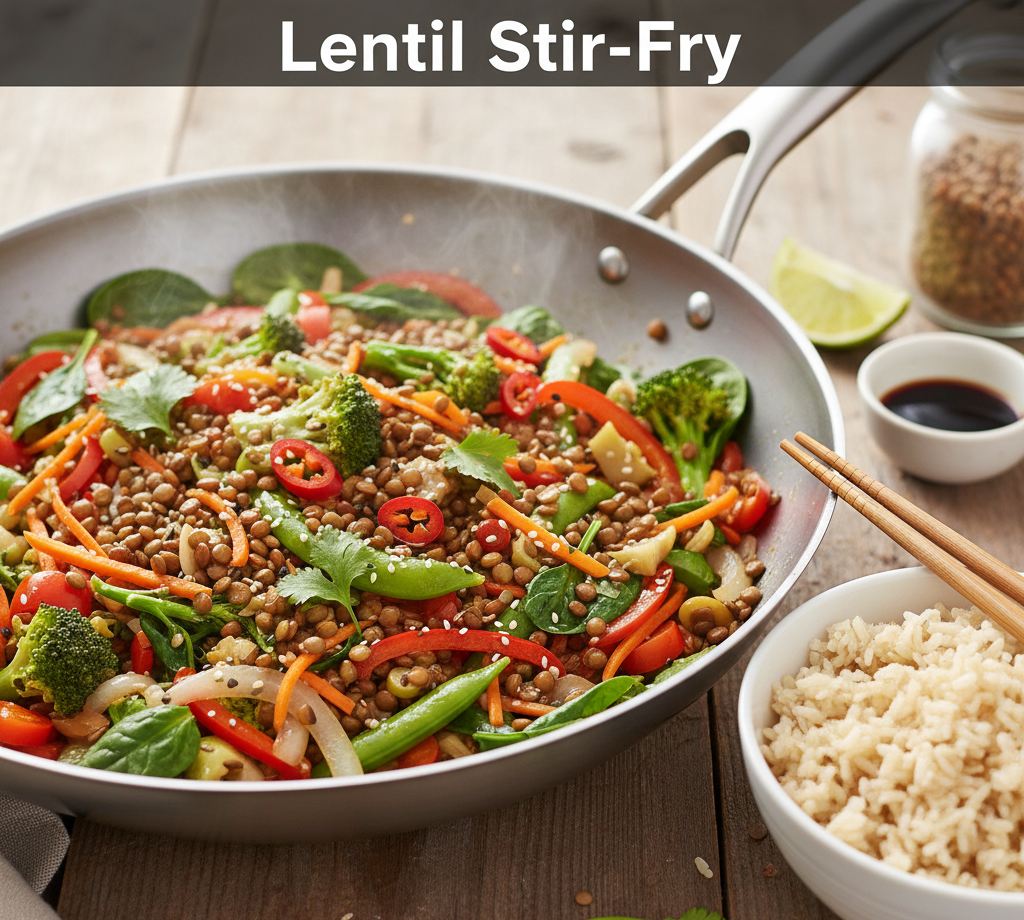
These recipes use accessible ingredients, promoting cooking skills and family bonding.
[Internal link: Explore more recipes in our Vegan Meal Ideas section.]
Overcoming Challenges and Ensuring Success
Challenges in adopting a plant-based diet for teenagers with obesity include social pressures, nutrient concerns, and cravings. Counter peer influence by packing lunches or finding plant-based options at eateries. For nutrients, regular blood tests monitor levels.
Cravings for sweets? Opt for fruit-based treats. Plateaus? Adjust activity or portions. Success stories abound: A 2024 case study in Journal of Adolescent Health detailed a 16-year-old losing 15 kg over six months via plant-based eating, gaining confidence.
Track progress with journals, celebrate non-scale victories like better energy.
FAQs: Transform Teen Obesity – Plant-Based Weight Loss Guide
1. Is a plant-based diet safe for teenagers who are still growing? Yes, when properly planned. Numerous studies, including position papers from the Academy of Nutrition and Dietetics (2022), confirm that well-planned vegetarian and vegan diets are appropriate and safe for all stages of life, including adolescence. Teens need extra attention to protein, iron, zinc, calcium, vitamin D, B12, and omega-3s, but these are easily obtained from fortified foods, legumes, nuts, seeds, leafy greens, and supplements if necessary.
2. Will my teen lose weight faster on a fully vegan diet compared to a vegetarian one? Not necessarily. Both vegetarian and vegan versions of a whole-food plant-based diet lead to significant weight loss. The key factor is replacing processed foods and animal products with fiber-rich plants, not the complete elimination of dairy or eggs. Many teens find a flexitarian or vegetarian start easier and equally effective.
3. How much weight can an obese teenager realistically lose on a plant-based diet? Safe and sustainable weight loss is 0.5–1 kg (1–2 lbs) per week. Studies show obese adolescents following a plant-based diet typically lose 4–10 kg in the first 3 months and continue losing or maintaining with long-term adherence.
4. My teen says plant-based food is “boring.” How can I make it appealing? Involve them in cooking! Try plant-based versions of their favorites: black-bean burgers, cauliflower buffalo wings, lentil tacos, creamy cashew pasta, or chocolate banana nice cream. Using spices, herbs, and global cuisines (Indian, Mexican, Thai, Mediterranean) keeps meals exciting.
5. Do teens need protein powder or special supplements on a plant-based diet? Most don’t need protein powder if they eat a variety of legumes, grains, nuts, and seeds daily. However, a vitamin B12 supplement (or fortified foods) is essential for vegans. Many doctors also recommend vitamin D and an algae-based omega-3 (DHA/EPA) supplement, especially in winter or with limited sun exposure.
6. What if my teen is an athlete or very active? Plant-based diets can fully support athletic performance. Teens who train intensely should increase portion sizes of complex carbs (quinoa, sweet potatoes, oats) and include more calorie-dense foods like nuts, seeds, avocados, and smoothies with added plant protein.
7. Will switching to plant-based lower my teen’s cholesterol and blood sugar quickly? Yes. Research shows that within 2–4 weeks of removing animal products and processed foods, LDL cholesterol can drop 10–20% and insulin sensitivity improves significantly—especially beneficial for teens with prediabetes or metabolic syndrome.
8. How do I handle school lunches and eating out with friends? Pack satisfying lunches (hummus & veggie wraps, chickpea salad bowls, peanut butter & banana sandwiches on whole grain). Most chain restaurants now offer plant-based options (veggie burgers, bean burritos, salads with legumes). Planning ahead prevents reliance on unhealthy cafeteria choices.
9. Can a plant-based diet help with acne and hormonal issues common in teens? Many teens report clearer skin after cutting dairy, which is strongly linked to acne in multiple studies. Reducing saturated fat and increasing anti-inflammatory foods (berries, leafy greens, omega-3s) also helps balance hormones.
10. What if my teen refuses to give up meat completely? Start with “Meatless Monday” or replace meat in only one meal per day. Even reducing animal products by 50–70% (flexitarian approach) delivers major health and weight-loss benefits while feeling less restrictive.
11. How can we afford all the fresh fruits and vegetables? Buy seasonal produce, shop at discount stores or farmers’ markets, choose frozen berries and vegetables (just as nutritious), and rely on inexpensive staples like oats, rice, beans, lentils, and potatoes. A well-planned plant-based diet is often cheaper than a meat-heavy one.
12. When should we consult a doctor or dietitian? Always consult a pediatrician before major dietary changes, especially if your teen is on medication, has eating disorders, or very high BMI. A registered dietitian specializing in plant-based nutrition can create a personalized plan and monitor nutrient levels through blood tests.
Conclusion: Your Teen’s Turning Point Starts with a Plant-Based Diet for Teenagers with Obesity
The journey out of teenage obesity does not have to be filled with deprivation, endless calorie counting, or temporary fixes that end in frustration. A well-planned plant-based diet for teenagers with obesity offers something far more powerful: a sustainable, enjoyable, and scientifically proven path to lasting weight loss, renewed energy, sharper focus, clearer skin, and dramatically reduced risk of diabetes, heart disease, and depression.
Decades of research — including large-scale trials published in The American Journal of Clinical Nutrition, Pediatrics, and Obesity Reviews — consistently show that adolescents who adopt a plant-based diet for teenagers with obesity lose significantly more body fat, maintain that loss longer, and experience fewer metabolic complications than those on conventional low-fat or low-carb diets. The reason is simple yet profound: whole plant foods naturally reset hunger hormones, heal the gut microbiome, lower chronic inflammation, and provide every nutrient a growing teen needs — without excess calories.
Parents who have guided their children through a plant-based diet for teenagers with obesity repeatedly report the same transformative outcomes: their teens finally feel in control of their eating, their confidence returns, bullying decreases, grades improve, and sports performance soars. Many say the biggest surprise was how quickly cravings for junk food disappeared once fiber-rich plants became the foundation of every meal.