
Teenage years are a time of rapid growth and transformation — physically, emotionally, and even dermatologically. Many teens struggle with dry, dull, or flaky skin, especially during hormonal shifts or seasonal changes. While topical moisturizers are essential, the real foundation of healthy, hydrated skin begins from within.
This is where the Mediterranean diet for teenagers with dry skin stands out — a timeless, nutrient-rich eating pattern scientifically shown to support skin moisture, barrier function, and natural glow. In this in-depth guide, we’ll explore how adopting this diet can transform teen skin health, balance hydration, and build long-lasting inner radiance.
What Is the Mediterranean Diet?
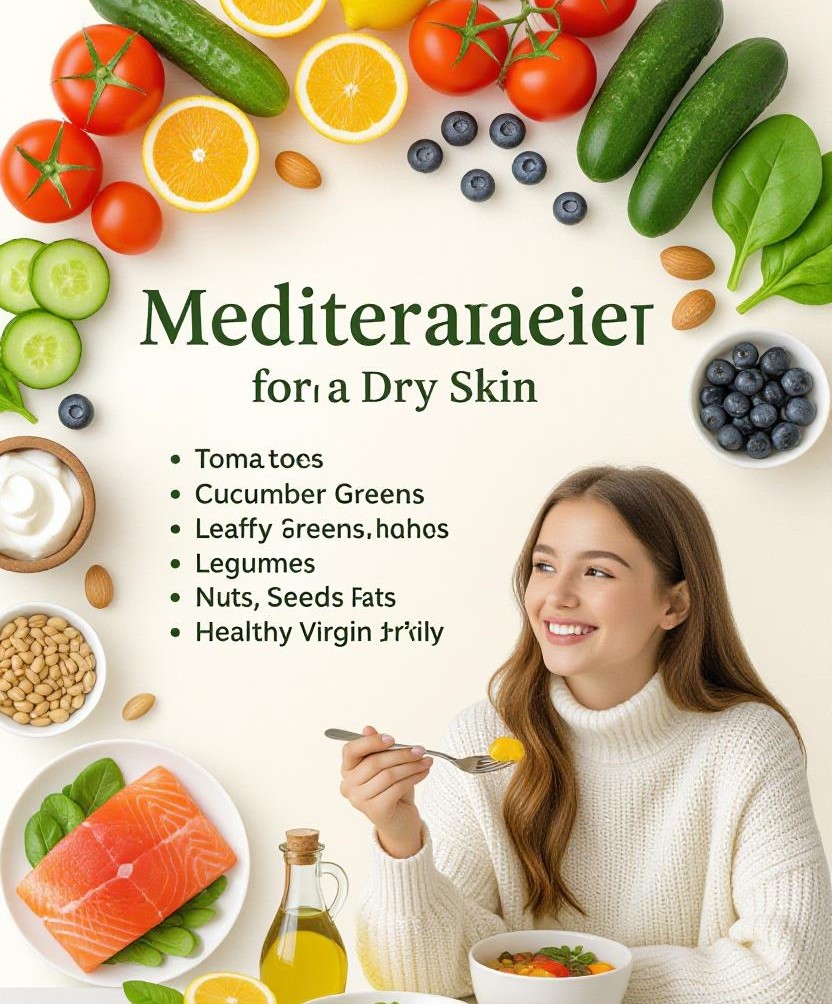
The Mediterranean diet originates from the traditional eating patterns of countries bordering the Mediterranean Sea — such as Greece, Italy, and Spain. It emphasizes:
- Fresh fruits and vegetables
- Whole grains and legumes
- Nuts and seeds
- Healthy fats (especially extra virgin olive oil)
- Moderate fish, eggs, and dairy
- Limited red meat and minimal processed foods
Unlike many modern fad diets, this one isn’t restrictive or trendy — it’s a sustainable lifestyle backed by decades of research. Numerous studies confirm its benefits for heart health, metabolism, and inflammation control. Recently, dermatologists and nutritionists have begun linking it directly to skin health, particularly for dry or sensitive skin.
Why the Mediterranean Diet for Teenagers With Dry Skin Works So Well
Dry skin occurs when the skin barrier loses water faster than it can retain it. Factors like hormonal imbalance, dehydration, nutrient deficiencies, and inflammation often worsen this condition. The Mediterranean diet naturally counteracts all of these.
Let’s break down how:
1. Rich in Healthy Fats That Nourish the Skin Barrier
Healthy fats — particularly monounsaturated and polyunsaturated fatty acids — are the heart of this diet. Extra virgin olive oil (EVOO) provides oleic acid and phenolic antioxidants that strengthen the skin’s lipid barrier, reduce inflammation, and prevent transepidermal water loss (TEWL).
Additionally, nuts (almonds, walnuts) and seeds (chia, flaxseed, sunflower) supply omega-3 and omega-6 fatty acids that lock in moisture, improve elasticity, and make skin supple.
Clinical evidence shows that diets rich in omega fatty acids can significantly reduce dryness and improve overall hydration balance.https://ods.od.nih.gov/factsheets/Omega3FattyAcids-HealthProfessional/
2. High in Water-Dense Fruits and Vegetables
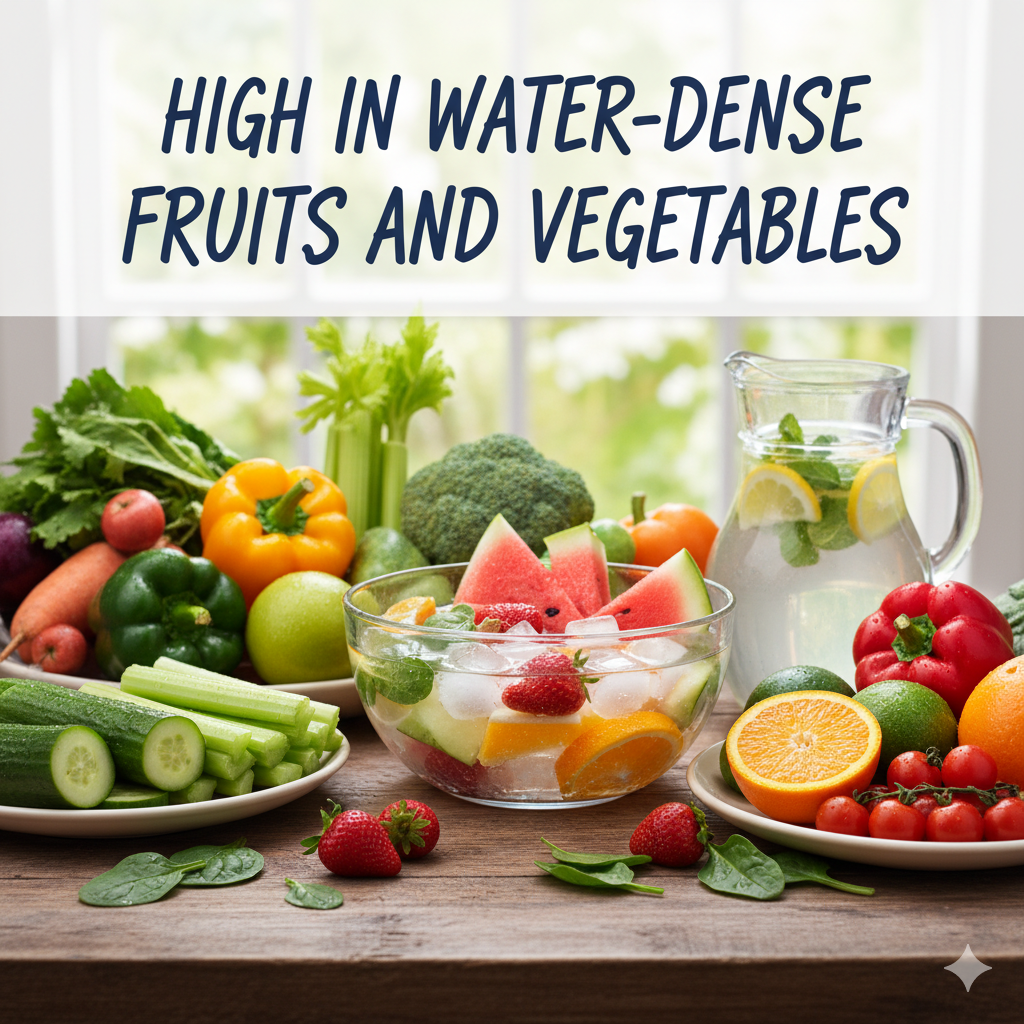
Mediterranean meals are loaded with colorful produce — tomatoes, cucumbers, leafy greens, berries, citrus, and zucchini — which are naturally hydrating, often containing 70–90% water.
These foods not only boost internal hydration but also provide vitamin C, beta-carotene, and polyphenols that protect collagen and reduce oxidative stress.
A hydrated diet = hydrated skin.
3. Packed With Antioxidants and Phytochemicals
Teens today face constant oxidative stress — from pollution, blue light, and hormonal changes. The Mediterranean diet counters that with an army of antioxidants:
- Vitamin C (oranges, strawberries) boosts collagen synthesis.
- Vitamin E (olive oil, almonds) protects cell membranes.
- Carotenoids (carrots, spinach, tomatoes) prevent UV damage.
- Polyphenols (berries, grapes, olive oil) neutralize free radicals.
Together, these nutrients slow premature skin aging, strengthen the skin’s resilience, and bring back its natural glow.
4. Low Glycemic Load = Reduced Inflammation
Refined sugar and white flour spike insulin, which triggers inflammation and oxidative stress — both enemies of skin hydration. The Mediterranean diet keeps blood sugar stable with whole grains, legumes, and fiber, preventing dryness and dullness caused by chronic inflammation.
Balanced blood sugar also supports hormone regulation, which is key for teenage skin health.
5. Supports a Healthy Gut–Skin Connection
A healthy gut is essential for glowing skin. The Mediterranean diet is rich in prebiotic fiber (from legumes, vegetables, and whole grains) and probiotics (from yogurt and fermented cheese).
This combination fosters a balanced microbiome that reduces systemic inflammation and enhances nutrient absorption — including those vital for skin hydration like zinc, selenium, and B vitamins.
Studies confirm that gut microbiome diversity directly influences skin conditions like dryness, eczema, and acne.
6. Clinically Supported Benefits for Skin
- Case Study: A 14-year-old teen with chronic eczema showed significant improvement in skin hydration and redness after 10 weeks on a Mediterranean-style diet.
- Review (2025): Mediterranean diets were found to help conditions like acne, psoriasis, and atopic dermatitis through their anti-inflammatory and antioxidant properties.
- Meta-Analysis: Populations consuming Mediterranean foods consistently report fewer skin issues, lower oxidative stress markers, and better hydration metrics.
Simply put — the science backs the glow.
How to Implement the Mediterranean Diet for Teenagers
Switching to this diet doesn’t require dramatic changes. Here’s a clear, realistic framework parents and teens can follow together.
1. Daily Foundation: Food Groups to Focus On
| Food Group | Include | Why It Matters |
|---|---|---|
| Olive Oil (Extra Virgin) | Use for cooking and salads | Anti-inflammatory, rich in vitamin E |
| Vegetables & Fruits | 4–6 servings daily | Provide hydration, vitamins, and fiber |
| Whole Grains | Brown rice, quinoa, oats | Stabilize energy and glycemic control |
| Legumes | Lentils, beans, chickpeas | Support gut health and protein intake |
| Nuts & Seeds | Almonds, walnuts, chia | Omega-3s protect skin barrier |
| Fish (Fatty Fish) | Salmon, mackerel, sardines | Rich in DHA and EPA |
| Yogurt / Fermented Dairy | Greek yogurt, kefir | Adds probiotics for gut-skin balance |
| Water & Herbal Teas | 6–8 glasses per day | Maintains hydration and detoxification |
2. Sample One-Week Teen Skin Hydration Meal Plan
Breakfast
- Overnight oats with chia, almond milk, and berries
- Whole-grain toast with avocado and a sprinkle of olive oil
Mid-Morning Snack
- Greek yogurt with honey and walnuts
- Fresh orange or apple slices
Lunch
- Brown rice bowl with chickpeas, roasted veggies, and olive oil
- Or quinoa salad with cucumber, tomato, feta, and lemon dressing
Afternoon Snack
- Handful of almonds + water
- Hummus with veggie sticks
Dinner
- Baked salmon with steamed greens and quinoa
- Or vegetable lentil soup with olive oil drizzle
Before Bed (Optional)
- Warm milk with turmeric or chamomile tea
🟢 Internal link suggestion: https://kidshealth.org/en/teens/skin-tips.html You can link “teen skincare routine” or “hydrating diet tips” articles here.
3. Hydration Is Key
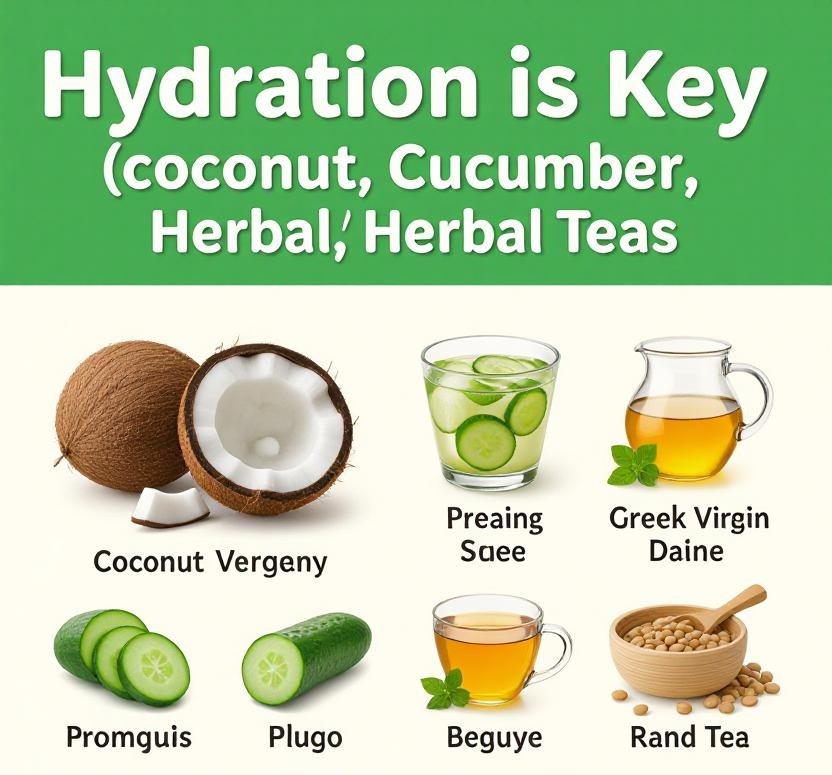
Encourage teens to drink 1.5–2 liters of water daily, depending on activity level.
Add hydration boosters like:
- Coconut water (unsweetened)
- Cucumber- or lemon-infused water
- Herbal teas (chamomile, mint, hibiscus)
Proper hydration supports nutrient transport, detoxification, and healthy cell turnover.
4. Mediterranean Lifestyle Beyond Food
The Mediterranean glow isn’t only about diet — it’s a holistic lifestyle.
- Regular movement: walking, swimming, yoga, or dance
- Adequate sleep: 7–9 hours nightly
- Stress management: meditation or journaling
- Sun protection: sunscreen, hats, and shade
- Gentle skincare: non-stripping cleanser + lightweight moisturizer
Combining these habits with a Mediterranean diet yields the best results — both inside and out.
Skin-Boosting Additions and Expert Tips

1. Spice It Up — Anti-Inflammatory Herbs
Add turmeric, ginger, oregano, and rosemary. These enhance flavor and reduce skin inflammation.
2. Include Fermented Foods
Greek yogurt, kefir, or fermented veggies improve gut health and reduce redness or dryness.
3. Limit Dairy and Refined Sugar
Teens prone to irritation or acne should minimize milk and sugary snacks — these can trigger IGF-1 hormone spikes that worsen skin imbalance.
4. Mind Meal Timing
Encourage small, regular meals instead of skipping or eating late at night. Stable energy means stable skin hydration and less stress-induced dryness.
5. Optional Supplements (With Professional Advice)
If dietary intake is insufficient, consider:
- Omega-3 capsules for moisture retention
- Vitamin D during winter months
- Probiotics for gut balance
👉 Affiliate link placement suggestion: You can link reputable omega-3 or probiotic supplements here with a disclosure (e.g., “This article contains affiliate links”).https://pubmed.ncbi.nlm.nih.gov/30221912/
Common Challenges and Solutions
| Challenge | Solution |
|---|---|
| Teens resist dietary change | Start with small swaps — replace chips with nuts or soda with infused water. |
| Hard to find Mediterranean ingredients | Use local equivalents — olive oil can be replaced with cold-pressed mustard or sesame oil if needed. |
| Busy schedules | Prep meals on weekends; keep healthy snacks like hummus or fruits ready. |
| Allergies or intolerances | Substitute nuts/seeds or dairy alternatives (soy, oat milk). |
| Inconsistent hydration | Set phone reminders or keep a marked water bottle. |
Consistency, not perfection, drives real results.
The Science Behind the “Mediterranean Glow”
Here’s how this diet works biologically to keep teen skin soft and radiant:
- Reduces oxidative stress:
Antioxidants like polyphenols and carotenoids neutralize free radicals, protecting collagen and elastin fibers. - Strengthens lipid barrier:
Monounsaturated fats and ceramide precursors reduce moisture loss through the skin surface. - Stabilizes inflammation:
Olive oil and omega-3s downregulate inflammatory pathways (NF-κB, COX, TNF-α). - Prevents glycation damage:
Low sugar intake reduces AGEs (advanced glycation end-products) that cause dullness and premature aging. - Enhances microbiome diversity:
Fiber and probiotics boost short-chain fatty acid production (SCFAs), improving overall skin immunity.
Frequently Asked Questions (FAQs)
Q1. Can diet alone fix dry skin?
Not overnight — but a consistent Mediterranean diet can significantly improve hydration, texture, and tone over 8–12 weeks when paired with proper skincare.
Q2. Does it also help acne-prone teens?
Yes. Its low-glycemic, anti-inflammatory nature helps reduce acne and redness while maintaining balanced hydration.
Q3. Is it safe for all teenagers?
Generally, yes. It’s a well-balanced, nutrient-dense diet suitable for most teens. Those with medical conditions should consult a nutritionist.
Q4. Do I need supplements?
If your diet lacks omega-3s or vitamin D (especially in winter), supplements can help — but always under professional guidance.
Where to Add Internal or Affiliate Links (For WordPress SEO)
Internal Links:
- Link to related blog posts like “Best Natural Moisturizers for Teen Skin https://www.amazon.in/best-moisturizer-for-teenagers/s?k=best+moisturizer+for+teenagers”, “Hydration Hacks for Teens “https://www.healthline.com/nutrition/how-to-drink-more-water”, or “Gut Health and Skin Connection.”https://pmc.ncbi.nlm.nih.gov/articles/PMC7916842/
Affiliate Links (Optional):
You can safely include links for:
- Omega-3 supplements
- Hydrating serums or moisturizers
- Natural Greek yogurt brands
Be sure to mark these as “nofollow” and include a short disclaimer for transparency and SEO compliance.
Conclusion
The Mediterranean diet for teenagers with dry skin is more than a trend — it’s a scientifically supported lifestyle approach that nurtures hydration, balances hormones, and strengthens skin from the inside out.
By embracing nutrient-rich foods, healthy fats, and antioxidant-packed produce, teens can achieve that effortless “Mediterranean glow” — soft, radiant, and naturally nourished skin that reflects true inner wellness.